120%
Largest home system Ohio allows for net metering, measured against your annual use
Ohio has no state solar tax credit or rebate. Ohio solar incentives come from net metering, which credits your utility bill for the power your panels send to the grid, plus a property tax exemption on home solar. Here’s what each is worth today, why system size matters more in Ohio, and what Venture Home files for you.
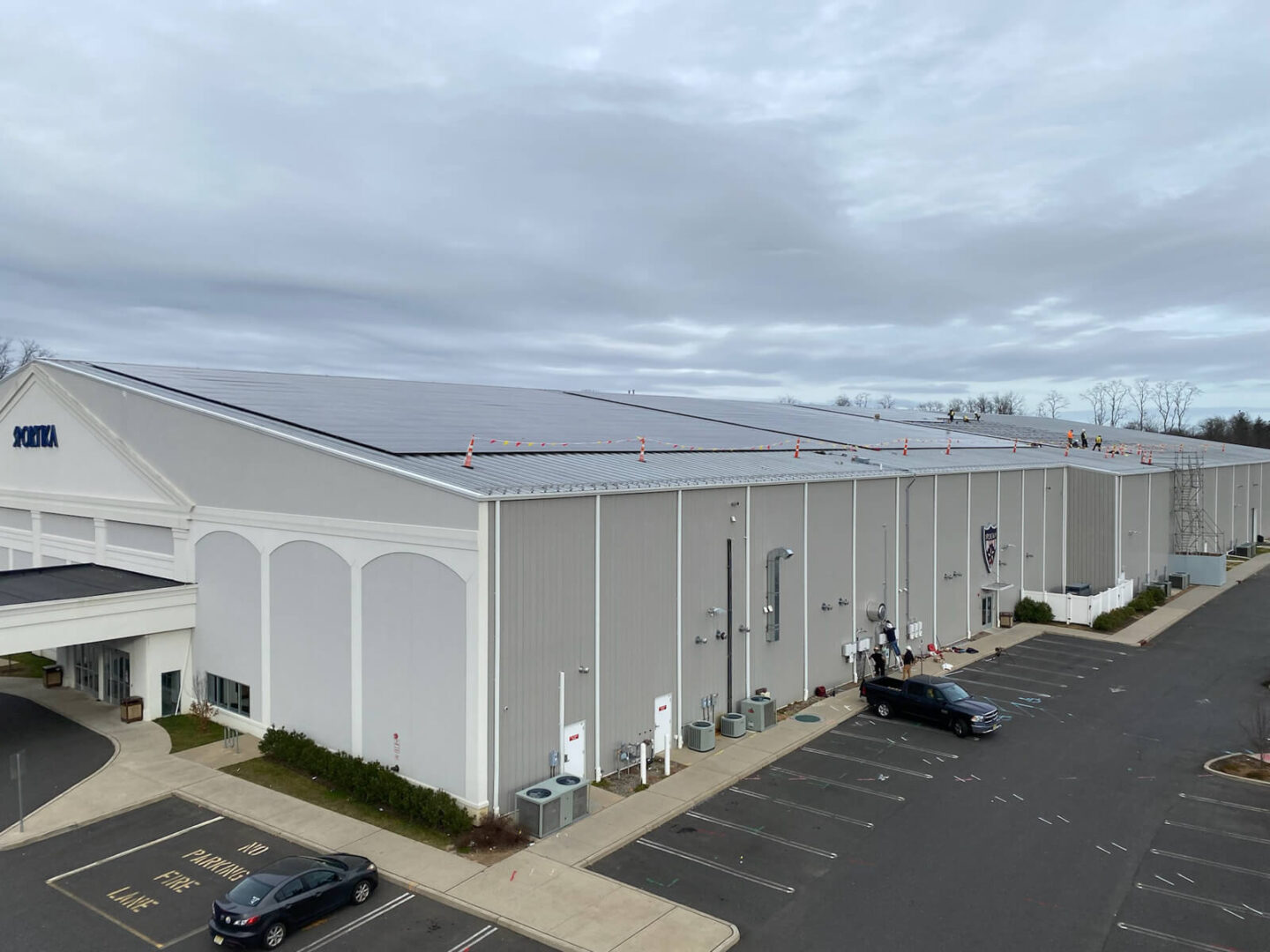
Ohio’s main solar incentive is net metering. Within each billing month, the power you export offsets the power you buy at the full retail price, and a monthly surplus earns a smaller credit, about 7 cents a kWh. Home solar is exempt from property tax. Ohio has no state solar tax credit, rebate, or sales tax exemption.
Largest home system Ohio allows for net metering, measured against your annual use
Solar systems up to this size are exempt from Ohio property tax
Most a utility can charge for a Level 1 home interconnection application
Ohio’s net metering has two prices. Power your panels send to the grid first cancels out power you buy from the grid in the same billing month, kWh for kWh, at your full per-kWh price. Ohio’s average residential price was 16.9 cents a kWh in 2025.
If your system exports more than you use in a month, that surplus becomes a dollar credit at the energy part of your utility’s generation rate. At Ohio Edison and The Illuminating Company, that’s 7.28 cents a kWh, less than half of what the same kWh is worth when it offsets your own use.

Ohio’s investor-owned utilities must offer net metering to customers on their standard service offer, the default electricity supply. You need a bidirectional meter, and credits don’t start until it’s installed. Within each month, exports offset what you buy at the full price; here’s how each utility credits a monthly surplus, as of November 2026.
Generation prices change on each utility’s schedule, and FirstEnergy’s now change every quarter. Your advisor will use the prices in effect when you get your quote.
Ohio Edison and The Illuminating Company credit a monthly surplus at 7.28¢ a kWh, in effect since June 1, 2026. You can ask in writing for a yearly refund of leftover credits.
A monthly surplus earns about 7.5¢ a kWh, the energy part of AEP Ohio’s generation rate since June 1, 2026. Credits carry forward, and AEP Ohio doesn’t pay them out.
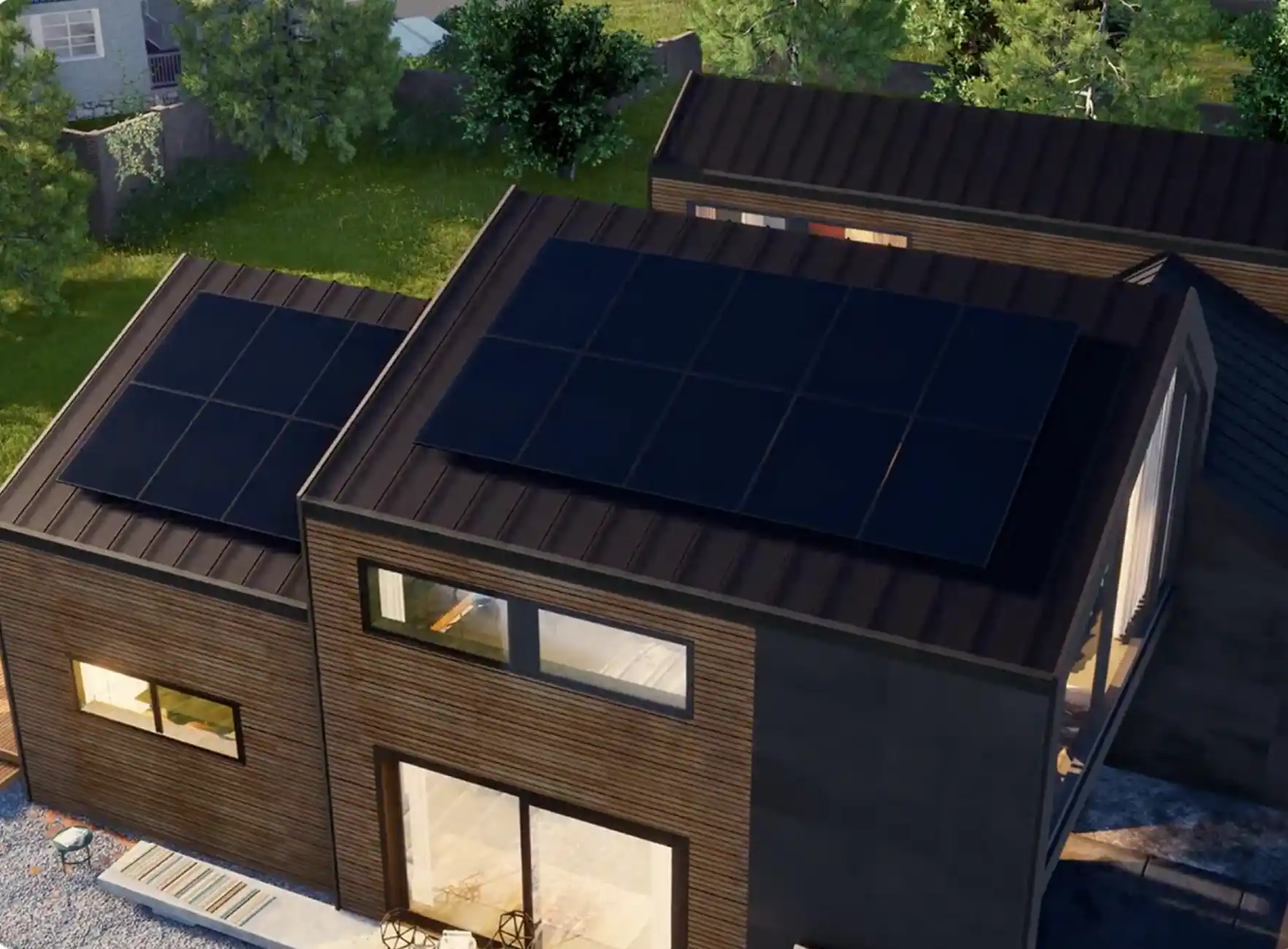
Many Ohio communities buy electricity for residents through an aggregation program, such as NOPEC in Northeast Ohio, and many households buy from a competitive supplier. Ohio’s net metering rule covers customers on the utility’s standard service offer. A supplier or aggregation can offer net metering on its own terms, or not offer it at all.
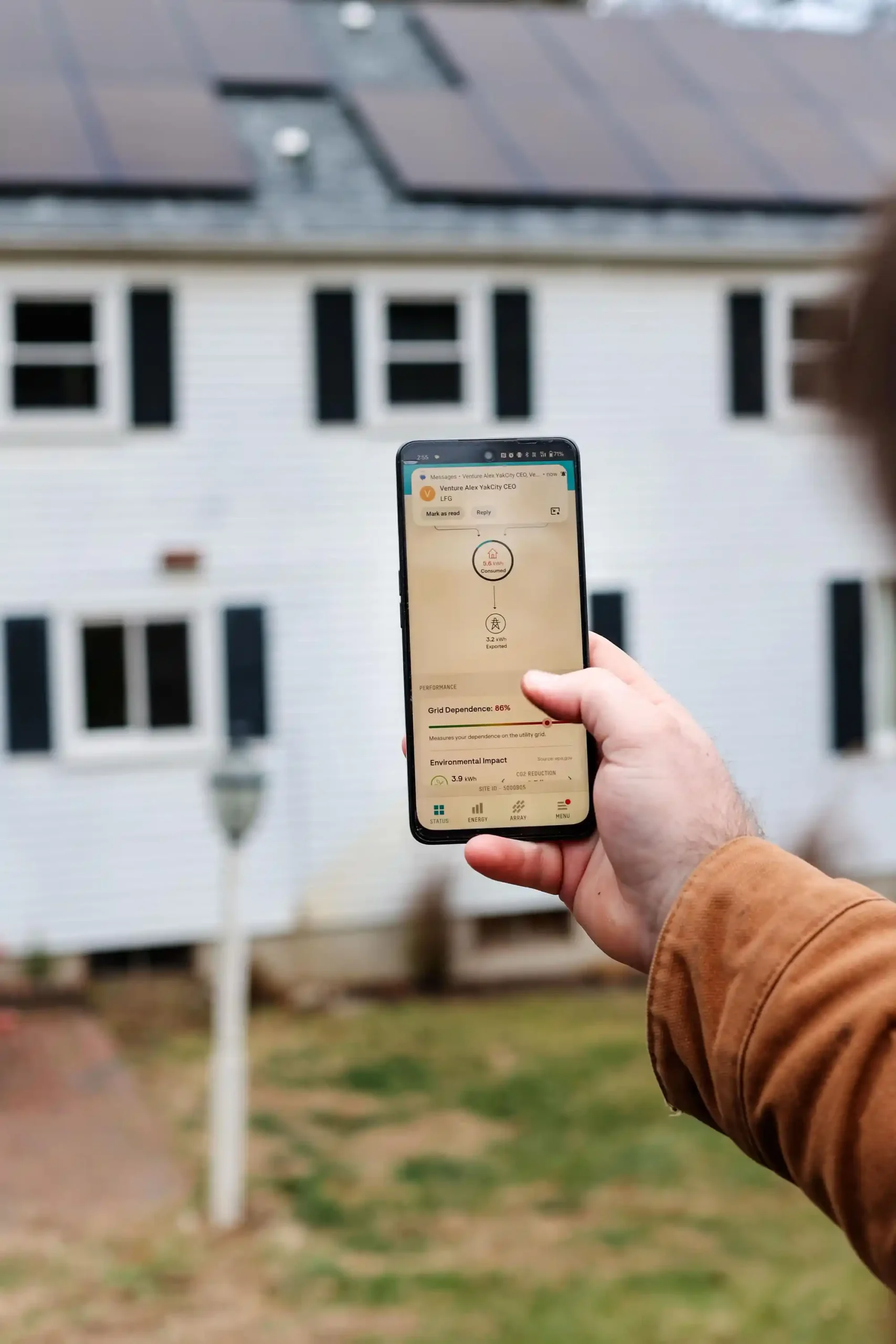
Ohio exempts solar energy systems up to 250 kW from property tax, as long as installation was completed on or after January 1, 2010. That covers every home system. Your county auditor handles it, and we found no state application form, so ask your auditor how your county applies the exemption.
Since September 13, 2022, Ohio law lets owners in planned communities and condominiums install solar panels unless the community’s declaration specifically prohibits them. The association can set reasonable rules on size, placement, and how panels are installed, and it must give written notice and a chance for a hearing before it fines you. Venture Home handles HOA approvals for you.

Ohio systems can still register to sell solar renewable energy credits (SRECs), one for every 1,000 kWh produced. Ohio’s solar requirement has been 0% since 2020, and the state’s renewable standard has no target after 2026.
One broker offered $3.25 per credit in April 2026, or about $25 a year for a 7 kW system before any metering costs. Pennsylvania’s market doesn’t accept Ohio systems. Treat SREC income as negligible.

The federal residential solar tax credit (Section 25D), the 30% credit many homeowners planned around, expired December 31, 2025. If you buy a system with cash or a loan in 2026, no federal credit applies. If you go solar through a lease or power purchase agreement (PPA), the company that owns the system may still claim a separate business credit (Section 48E) and, in some cases, pass part of that savings through as a lower monthly payment. That pass-through is not automatic or guaranteed dollar for dollar, so ask how it shows up in your quote. Federal rules also set deadlines for that business credit, so confirm it applies to your install date.
Most of Ohio also qualifies as a federal “energy community,” which adds a bonus to that business credit. Under IRS Notice 2026-39, 74 of Ohio’s 88 counties qualify, including Mahoning, Trumbull, Columbiana, Stark, and Summit. Cuyahoga, Hamilton, and Montgomery counties don’t. The IRS updates the list each year, and the bonus only reaches you through a lease or PPA, so ask how it shows up in your monthly rate. For solar, the business credit ends for systems placed in service after December 31, 2027, unless construction started by July 4, 2026.
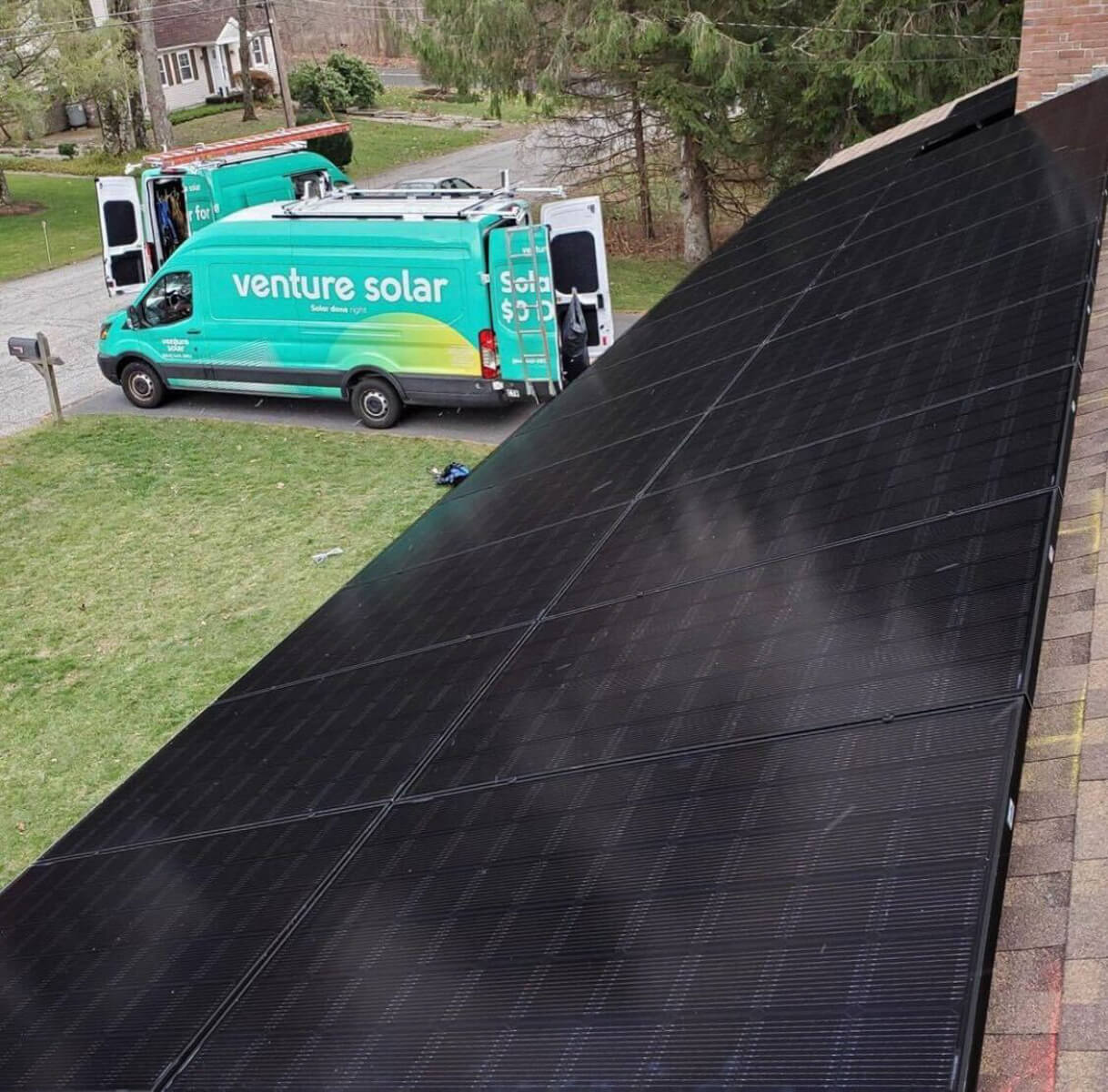
Share your address and 12 months of electric bills so Venture Home can size a system to your annual use.
Your itemized proposal lists equipment, system size, and price, so you can check the net metering math against your own bills.
Confirm whether you’re on your utility’s standard service offer or an aggregation, then choose cash, loan, or lease or PPA.
We file the permits, HOA approval if you need one, and your utility’s interconnection and net metering applications. Level 1 applications cost no more than $50.
Local crews install most systems in 1 to 2 days.
An electrical inspector signs off, and your utility installs a bidirectional meter and approves the system to run. It can’t operate before then.
Signed proposal to activation takes 8 to 12 weeks. Net metering credits start once the meter is in and the system is live.
Ask your county auditor how your county applies the solar exemption, so your system stays off your assessment.
| Venture Home | FirstEnergy (Ohio Edison, Illuminating Co.) | AEP Ohio | |
|---|---|---|---|
| Same-Month Netting | Sizes your system to your usage | Full retail price | Full retail price |
| Monthly Surplus Credit | Shows it in your bill estimate | 7.28¢ (since June 1, 2026) | About 7.5¢ (since June 1, 2026) |
| Leftover Credits | Explains the rules before you sign | Annual refund on written request | Carry forward, no payout |
| Interconnection Fee | Files your application | $50 (Level 1) | $50 maximum under state rule |
| Property Tax Exemption | Gives you system details for your county auditor | Statewide, up to 250 kW | Statewide, up to 250 kW |
Within each billing month, every kWh your system exports offsets a kWh you buy, at your full per-kWh price. Ohio’s average was 16.9 cents in 2025. Only a monthly surplus is credited at the lower energy rate: 7.28 cents at Ohio Edison and The Illuminating Company since June 1, 2026.
No. Ohio has no state income tax credit or cash rebate for home solar, and its sales tax law has no exemption for home solar equipment. Ohio’s incentives are net metering, a property tax exemption for systems up to 250 kW, and a small SREC market.
No federal credit applies if you buy a system with cash or a loan in 2026, because the Section 25D credit expired December 31, 2025. A lease or PPA company may still claim a business credit (Section 48E), and whether any of it lowers your payment depends on the contract.
It depends on your system size, your utility, and how much of your output offsets your own use. As an illustration, take an Ohio Edison home with a system that produces 8,000 kWh a year. If 6,500 kWh offset same-month use at Ohio’s 2025 average of 16.9 cents and 1,500 kWh are monthly surplus at 7.28 cents, the system offsets about $1,210 a year.
Venture Home files the permits, any HOA approval, and your utility’s interconnection and net metering applications. Your part is to review and sign your proposal, check your electricity supplier, and confirm the property tax exemption with your county auditor.
No. Ohio has no state or utility battery incentive for homes in 2026. A battery still pays off in Ohio, because each kWh you store and use at home is worth your full per-kWh price instead of the roughly 7 cent surplus credit, and it keeps your essentials running in an outage.
For many homes, yes, if the system is sized to your usage. Ohio’s average residential price was 16.9 cents a kWh in 2025, and summer 2026 supply prices rose about 10% to 12% at the FirstEnergy utilities. Solar that offsets your own use saves that full price, while a monthly surplus earns about 7 cents.
Talk with Venture Home in Ohio about your roof, your utility, and your quote.
Updated: November 2026
Office Location
330 N. Meridian Rd., Youngstown, OH 44509
Phone Number
(888) 522-9161
OH Electrical #51928
Office Hours
Sunday – Closed
Monday – 9AM-8PM
Tuesday – 9AM-8PM
Wednesday – 9AM-8PM
Thursday – 9AM-8PM
Friday – 9AM-8PM
Saturday – 9AM-5PM
Fill out the form and our team will be in touch with a free quote based on your local incentives and payment options.