If you ordered a Tesla Model 3 or Model Y on or after October 1, 2026, your car can now help keep the lights on when the power goes out. Tesla switched on Powershare Home Backup for both cars this month, for any home that has a Powerwall 3.
Until now, the Cybertruck was the only Tesla that could back up a house. Tesla’s two best-selling cars can now do it too, and that puts home backup within reach of a lot more driveways.
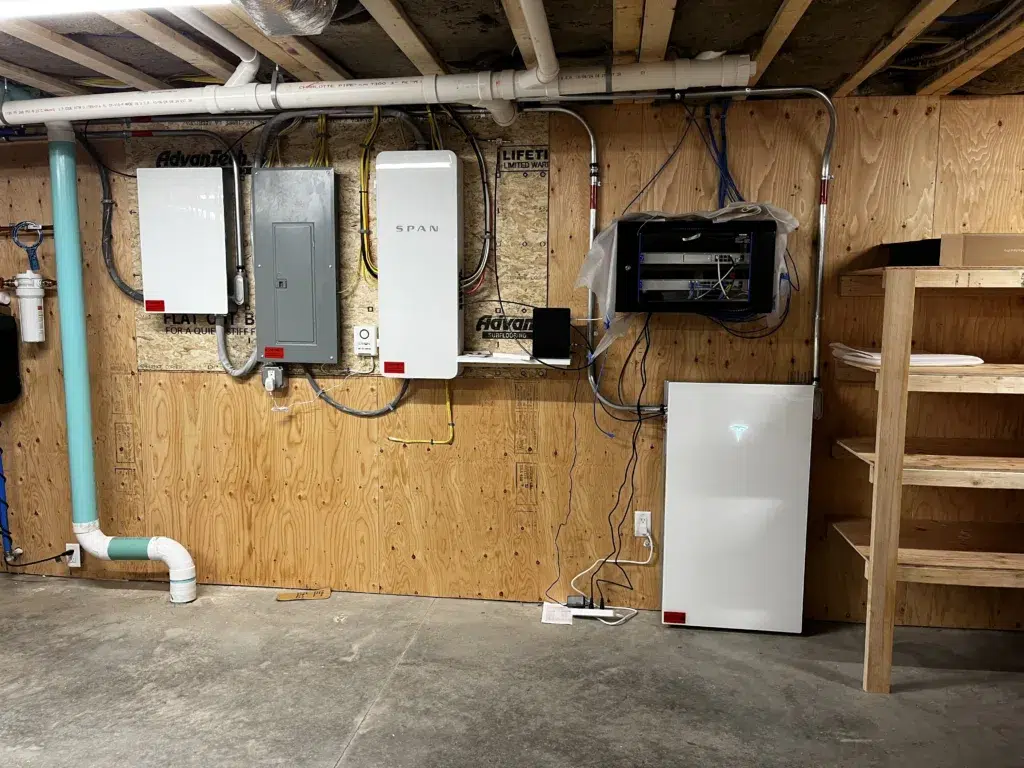
What is Tesla Powershare Home Backup?
Powershare is Tesla’s name for vehicle-to-home power, or V2H. Your car’s battery sends electricity back into your house instead of only pulling it out of the wall.
During an outage, your Powerwall 3 disconnects your home from the grid and starts powering it. If your Tesla is plugged into your Wall Connector, it feeds its stored energy to the house alongside the Powerwall, so your backup lasts much longer.
You stay in control of your range. From the car’s screen, you set how much of the battery Powershare can use, so there’s still enough left to drive.
The car can deliver up to 11.52 kW of continuous power at 240 volts, enough to run real household loads. That matches the Cybertruck, and it’s nearly five times the 2.4 kW outlet some older Model 3 and Model Y trims offered for tools and camping.
What you need to use Powershare
You need three things in place:
- An eligible car. Any Cybertruck, or a Model 3 or Model Y ordered on or after October 1, 2026, in the U.S. or Puerto Rico. Some Model 3 and Model Y cars built shortly before that date have the hardware too.
- A Powerwall 3. Tesla says support for Powerwall 2 and Powerwall+ is coming soon, but it isn’t available yet.
- A Tesla Wall Connector (Wall Connector 3 or Universal Wall Connector) on your home’s backup circuit.
If you’re installing a new Powerwall 3 and Wall Connector, Powershare works with no extra hardware or electrical work. If you already have both, an installer has to confirm your Wall Connector is on the backup circuit and meets local code. In most cases they can turn the feature on remotely.
Not sure if your car has it? On the touchscreen, tap Software, then Additional Vehicle Information, and look for “Powershare Support: Enabled.”
How long can a Tesla power your home?
A new Model 3 or Model Y adds up to two days of backup, or more, on top of what your Powerwall already covers. Tesla’s estimates assume a home using 30 kWh a day and a car charged to 90%.
| Vehicle | Extra backup | Usable battery (approx.) |
|---|---|---|
| Cybertruck (all trims) | Over 3 days | 123 kWh |
| Model 3 / Model Y Premium and Performance | Over 2 days | 75 to 85 kWh |
| Model 3 / Model Y Standard | Up to 2 days | About 70 kWh |
For scale, one Powerwall 3 stores 13.5 kWh. A new Model 3 or Model Y holds five to six times that.
What you run makes a big difference. A fridge, lights, Wi-Fi and a furnace blower will stretch much further than central air or an electric dryer.
Why you still need a Powerwall
Tesla requires a Powerwall 3 for Model 3 and Model Y home backup. The car sends power through the Powerwall’s system to run the house. The Cybertruck is the exception: it can back up a home with a Powershare Gateway instead.
Even if it weren’t required, most homeowners would want a battery on the wall. Think of the Powerwall as the backup that’s always there, and the car as a big spare tank you bring home.
- Your car isn’t always in the driveway. Outages don’t wait for you to get home from work or a weekend away.
- Winter storms hit at bad times. Your heat and sump pump need power whether or not the car is in the garage.
- A Powerwall earns its keep every day. Paired with solar, it stores extra daytime power for the evening. Grid programs that pay for stored energy work with Powerwall in many areas, but they aren’t open to Model 3 or Model Y yet.
Is Powershare worth it for you?
It makes the most sense if:
- You own, or just ordered, a Model 3 or Model Y with Powershare support.
- You live where nor’easters, ice storms or hurricanes knock out power for a day or more.
- You have solar, or plan to add it, so your Powerwall and your car can both recharge from your own roof.
- You work from home, or rely on a sump pump, well pump, heat or medical equipment that can’t wait out a long outage.
If outages where you live are rare and short, a single Powerwall on its own may cover you. The car becomes a bonus for the bad storm that comes along every few years.
Tesla Powershare FAQ
Can a Tesla Model Y power my house?
Yes, if it was ordered on or after October 1, 2026, and your home has a Powerwall 3 and a Tesla Wall Connector. The same goes for the Model 3.
Can I use Powershare without a Powerwall?
Not with a Model 3 or Model Y. The Cybertruck can back up a home without one by using a Powershare Gateway.
Does Powershare work with Powerwall 2 or Powerwall+?
Not yet. Tesla says support is coming soon.
My Model 3 or Model Y is older. Does it qualify?
Maybe. Some cars built just before October 1 have the hardware. Check Software, then Additional Vehicle Information, on your touchscreen.
Will Powershare drain my car?
No. You set a limit in the car for how much of the battery it can give to the house.
Can my Model 3 or Model Y sell power back to the grid?
Not yet. Tesla offers grid support on the Cybertruck in a few markets, but it hasn’t come to the Model 3 or Model Y.
Get your home ready for Powershare
Venture Home designs and installs solar and Tesla Powerwall systems across the Northeast and Mid-Atlantic. If there’s a new Model 3 or Model Y in your driveway, we’ll tell you what it takes to add a Powerwall 3, how your Wall Connector fits in, and which state incentives you can use.