31.55¢
REG rate per kWh, locked for 15 years
UPDATED: OCTOBER 2026
Rhode Island gives homeowners a choice. The Renewable Energy Growth (REG) program pays a fixed rate for every kilowatt-hour your system produces for 15 years. Or you can use net metering, where your solar offsets the power you buy from Rhode Island Energy, and add the Renewable Energy Fund (REF) grant when a round is open. You can’t do both. Here’s how to tell which one is worth more for your home.
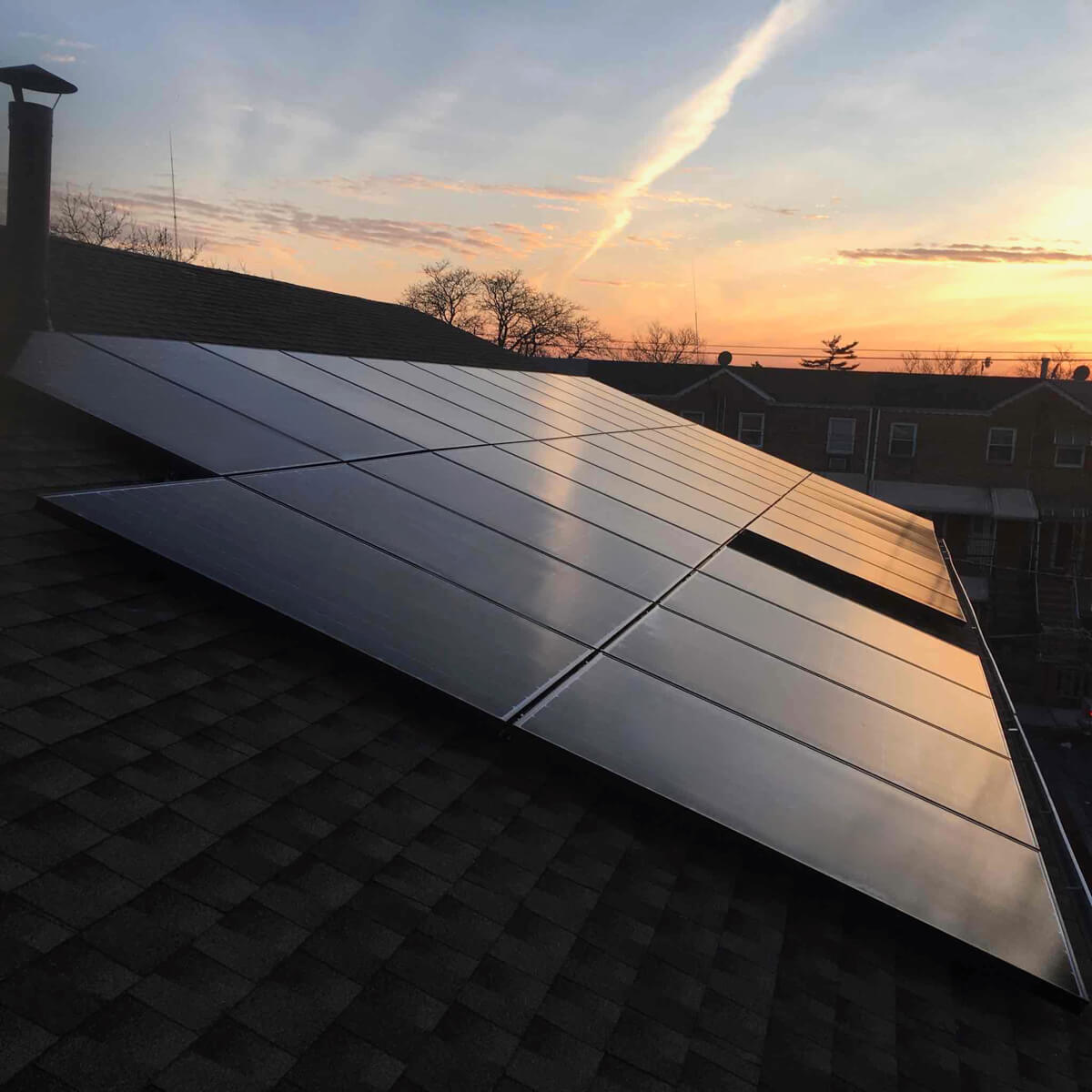
Rhode Island homeowners choose one of two paths. REG pays 31.55¢ for every kWh your system produces, locked for 15 years, for systems up to 15 kW. Net metering credits your solar at close to the full retail rate, and the REF grant ($1.65 per watt, up to $14,500) can lower your upfront cost when a round is open. The 2026 rounds closed October 16. Either way, solar equipment is exempt from the 7% sales tax and from property tax.
REG rate per kWh, locked for 15 years
Sales tax exemption on solar equipment
You pick one path
Why you can’t have both: REF only funds net-metered systems, and REG systems can’t net meter during their contract.

Rhode Island Energy credits each kWh you send to the grid, up to the amount your home uses in a year, at the per-kWh supply, distribution, transmission, and transition rates. That’s close to the full retail price. The fixed monthly customer charge isn’t included. Anything you produce above your annual usage earns only the wholesale energy price, so we size systems to match your usage.
Rates change twice a year. Rhode Island Energy’s typical residential bill works out to about 35¢ per kWh this winter (October 2026 through March 2027), up from about 29¢ in summer 2026, mostly because the supply price went up.
The PUC is reviewing net metering changes under Docket 26-30-EL, with a hearing November 17, 2026. The changes mostly affect remote and community projects, not the credit for rooftop systems on your home. Confirm current terms before signing.
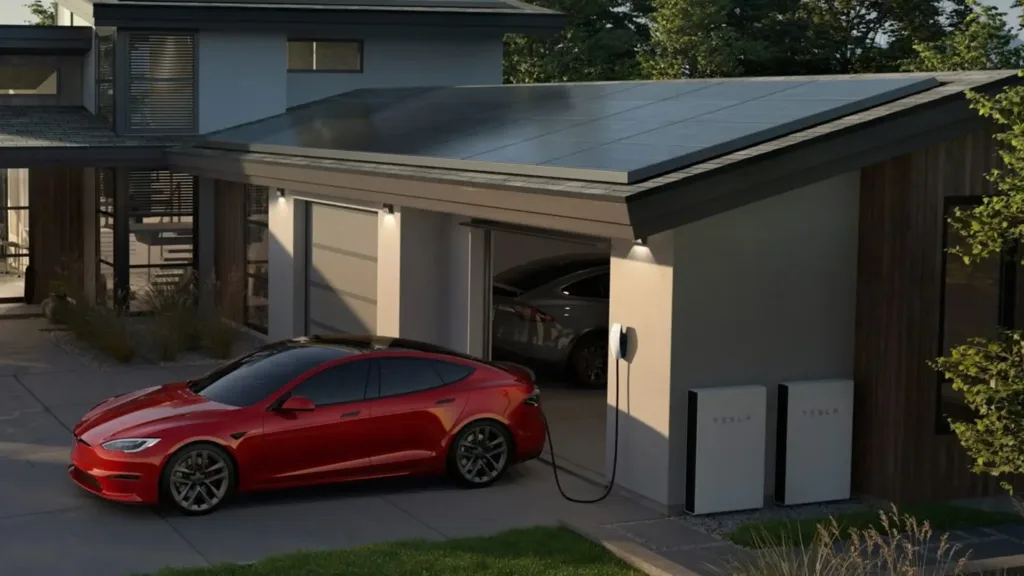
Sales tax exemption: solar panels, inverters, racking, and monitoring equipment are exempt from Rhode Island’s 7% sales tax under R.I. Gen. Laws §44-18-30. Batteries aren’t currently covered.
Property tax exemption: under R.I. Gen. Laws §44-3-3(a)(48), residential solar systems placed in service after 2015 are exempt from local property tax, with no time limit. The law doesn’t require a separate application.
Federal Tax Credits
Section 25D expired December 31, 2025, no credit for purchased/financed systems in 2026. A lease/PPA may pass through a separate business credit (Section 48E), not guaranteed. That’s why Rhode Island’s own incentives, especially REG’s high rate, matter more now.
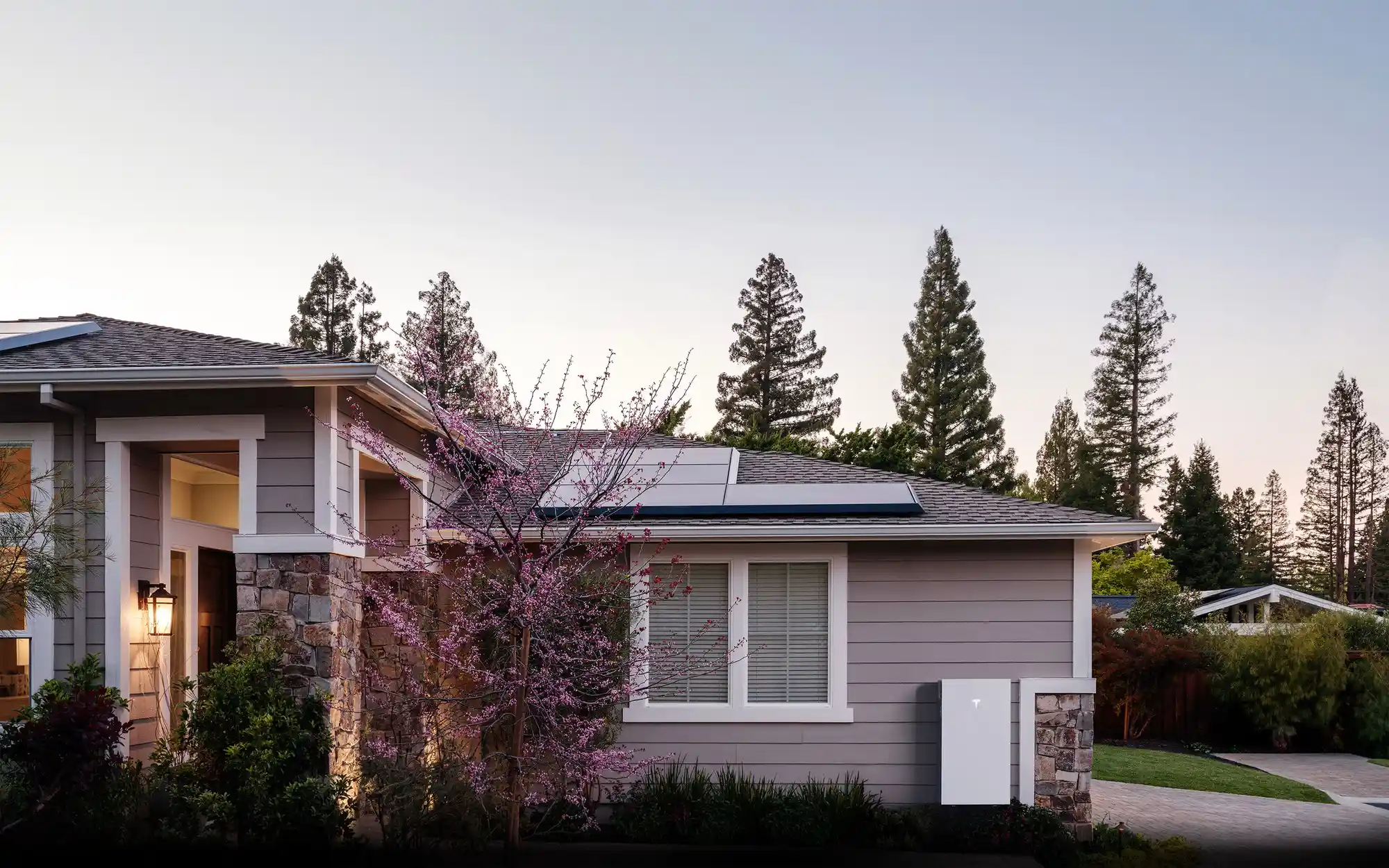
A Venture Home advisor models REG against net metering first, since it’s the decision that lasts.
We size the system to your usage and hand you an itemized proposal comparing REG and net metering for your home.
Cash, loan, or lease/PPA. This affects federal pass-through eligibility and whether you can use the REF grant, which requires owning the system.
Your installer enrolls your system in REG or net metering, applies for REF if a round is open, and files the interconnection application with Rhode Island Energy. REG capacity can fill before the program year ends, so we file as soon as your decision is final.
Most Venture Home installations are completed in 1–2 days by a local W-2 crew.
Your system can’t be turned on, or start earning net metering credits, until PTO is granted.
REG payments or net metering credits begin. If you received REF, the grant is paid after final inspection.
| Venture Home | Rhode Island Energy / State Programs | |
|---|---|---|
| REG vs. Net Metering | Models both against your system size | REG: 31.55¢/kWh, 15 yrs, no net metering. Net metering: near-retail credit, REF eligible |
| REF Grant | Applies when a round is open | $1.65/W, up to $14,500. 2026 rounds closed Oct 16 |
| Net Metering | Sizes your system to your usage | Near retail up to your usage; wholesale above it |
| Sales Tax Exemption | Applied on invoice | 7%, panels, inverters, racking (not batteries) |
| Property Tax Exemption | No action needed | Exempt, no time limit |
| Federal Credit | Explains lease/PPA options | Expired 12/31/2025 |
Rhode Island homeowners choose between the REG production payment (31.55¢ per kWh for 15 years) and net metering, which can be paired with the REF grant when a round is open. Solar equipment is also exempt from the 7% sales tax and from property tax. Battery owners can add ConnectedSolutions payments and the state Energy Storage Rebate. The federal residential credit expired at the end of 2025.
It depends on your system size, how you pay for it, and how long you’ll own your home. REG pays 31.55¢ for every kWh your system produces for 15 years, with the cash portion taxed as income. Net metering credits your solar at close to the full retail rate, and owners can add the REF grant when a round is open.
Rhode Island credits home solar at the per-kWh supply, distribution, transmission, and transition rates, which is close to full retail and very similar to Massachusetts. Production above your annual usage earns only the wholesale price.
Not if you buy or finance with a loan, Section 25D expired December 31, 2025. A lease or PPA may still pass through a separate business credit, but it’s not guaranteed.
It depends on your system size and whether you choose REG or net metering.
Venture Home enrolls your system in REG or net metering, applies for REF when a round is open, and files your interconnection paperwork. The sales tax exemption is applied on your invoice, and the property tax exemption doesn’t require a separate application. If you choose REG, you’ll receive a 1099 for the cash portion of your payments.
Rhode Island has two battery incentives. Rhode Island Energy’s ConnectedSolutions pays $225 per kW of average battery output each summer for five summers, and the state Office of Energy Resources’ Energy Storage Rebate pays $250 per kWh, up to $8,000 ($500 per kWh, up to $16,000, for income-eligible households), with ConnectedSolutions enrollment required. Ask your advisor whether a battery makes sense for your home and backup needs.
Get a free quote and we’ll model REG against net metering for your actual system size, plus both tax exemptions, so you can make the decision with real numbers. Want the bigger picture on Venture Home in Rhode Island first? Start there.
Office Hours
Sunday – Closed
Monday – 9AM-8PM
Tuesday – 9AM-8PM
Wednesday – 9AM-8PM
Thursday – 9AM-8PM
Friday – 9AM-8PM
Saturday – 9AM-5PM
Fill out the form and our team will be in touch with a free quote based on your local incentives and payment options.