$77
per 1,000 kWh SREC-II for residential registrations received on or after July 27, 2026
New Jersey solar incentives changed in 2026. The state’s SuSI payment for new residential systems fell from $85 to $77 per megawatt-hour on July 27, and the federal homeowner tax credit ended December 31, 2025. Here is what NJ homeowners can still count on, with sources and dates.
UPDATED: NOVEMBER 2026
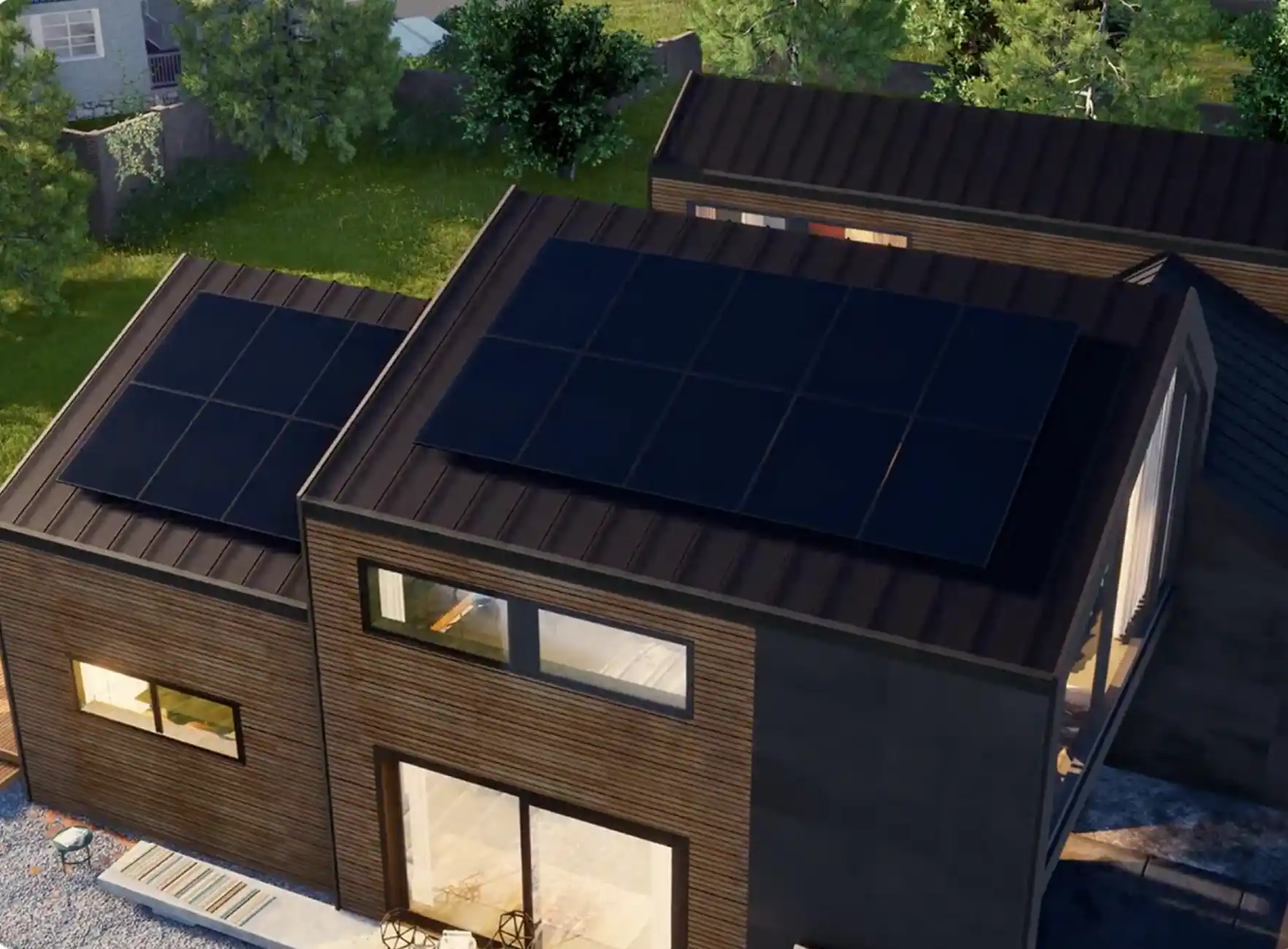
New Jersey pays owners of solar systems $77 per 1,000 kilowatt-hours for 15 years through the SuSI program, its main incentive. Net metering credits your exports at the retail rate. Solar equipment is exempt from sales tax, and the value it adds is exempt from property tax. New Jersey has no state income tax credit.
per 1,000 kWh SREC-II for residential registrations received on or after July 27, 2026
years of SREC-II payments, paid to the system owner
sales tax you skip on solar equipment
SuSI stands for Successor Solar Incentive. The Board of Public Utilities (BPU) runs it through the New Jersey Clean Energy Program, and home systems enter its Administratively Determined Incentive (ADI) sub-program. Your system earns one Solar Renewable Energy Certificate (SREC-II) for every 1,000 kWh it produces, and the BPU sets what each one is worth.

Net metering credits you at the retail rate for each kWh you send to the grid, and credits carry forward month to month during a 12-month period. PSE&G, JCP&L, Atlantic City Electric, and Rockland Electric all follow the same state rules.

New Jersey exempts solar energy devices and systems, including devices that store solar-generated energy, from its 6.625% sales tax (N.J.S.A. 54:32B-8.33). You document the exemption with a signed certificate. Ask which form your contract uses, and confirm the treatment of installation labor with your tax advisor.
Solar adds value to your home, and New Jersey doesn’t tax that added value (N.J.S.A. 54:4-3.113b).
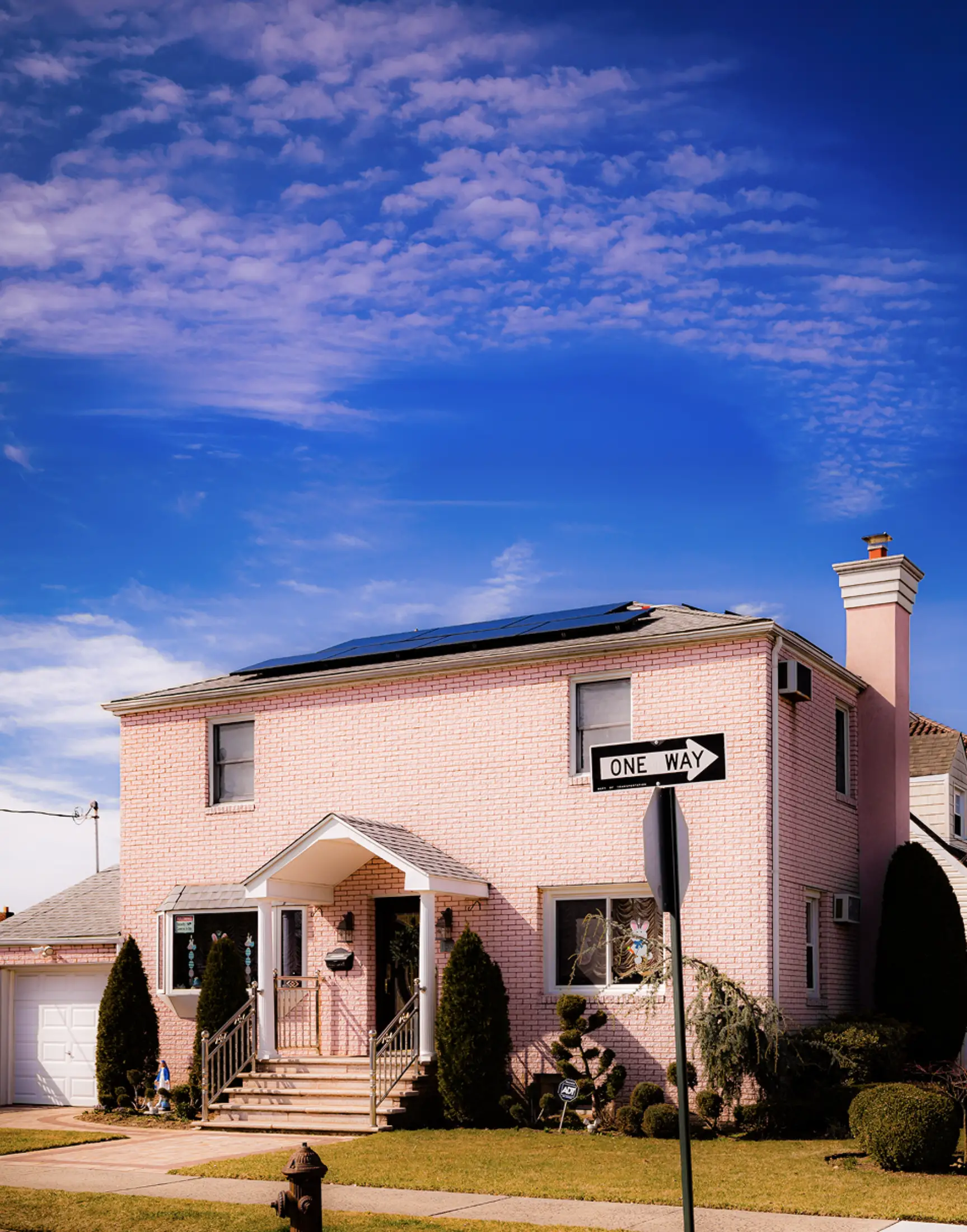
A Venture Home advisor reviews your roof, your usage, and your utility account, whether that is PSE&G, JCP&L, Atlantic City Electric, or Rockland Electric.
We size the system to your annual usage and give you an itemized proposal that shows the SREC-II rate, the tax treatment, and the cost.
Cash, loan, or lease or PPA. This decides who owns the SREC-IIs and whether a federal pass-through applies.
Venture Home files your ADI registration. The rate depends on the date it is received, and the state allows 12 months to finish once you are conditionally registered.
We file building permits and your utility interconnection application. Form CRES for the property tax exemption goes to your construction official and tax assessor.
Most installs take 1 to 2 days with a local W-2 crew.
Your utility approves the system to turn on, and the state issues your NJ Certification Number. Owners then register in PJM-GATS and open a payment account with Solar Incentives NJ, so confirm in your contract who handles it. Signed proposal to activation takes 8 to 12 weeks.
Federal Tax Credits
The federal residential solar tax credit (Section 25D), the 30% credit many homeowners planned around, expired December 31, 2025. If you buy a system with cash or a loan in 2026, no federal credit applies. If you go solar through a lease or power purchase agreement (PPA), the company that owns the system may still claim a separate business credit (Section 48E) and, in some cases, pass part of that savings through as a lower monthly payment. That pass-through is not automatic or guaranteed dollar for dollar, so ask how it shows up in your quote.
| Incentive | Venture Home | New Jersey Terms |
|---|---|---|
| SuSI SREC-II | Files your SuSI registration before installation | $77 per 1,000 kWh for 15 years, paid to the system owner |
| Net Metering | Sizes the system to your annual usage and files the utility interconnection application | Retail-rate credits at all four utilities; state review open |
| Sales Tax Exemption | Handles the exemption paperwork with you | 6.625% exempt on solar equipment |
| Property Tax Exemption | Supplies the installer details for Form CRES | Added home value exempt once certified |
| Home Battery Incentive | Installs Tesla Powerwall and Enphase batteries | None in force; one proposed |
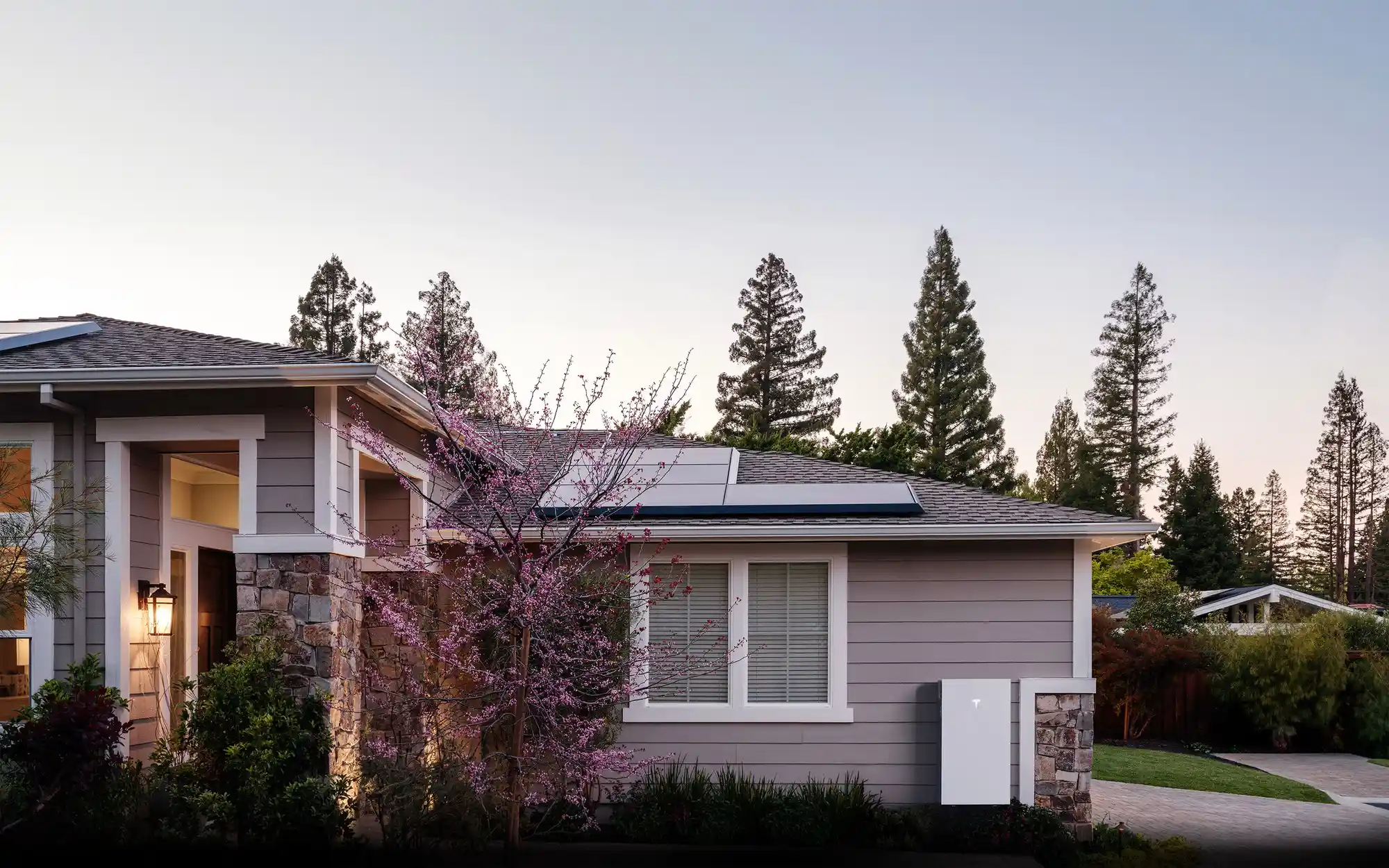
SREC-II payments are a state incentive of $77 per 1,000 kWh produced, paid for 15 years to the owner of the system. Net metering is a credit on your utility bill for power you send to the grid. They stack, and neither replaces the other.
No. New Jersey has no state income tax credit for residential solar. The state’s incentives are the SREC-II payment, net metering, a sales tax exemption on solar equipment, and a property tax exemption on the value solar adds.
Not if you buy with cash or a loan, because Section 25D expired December 31, 2025. A lease or PPA owner may still claim a business credit (Section 48E), and whether any of it lowers your payment depends on the contract. If a lease or PPA quote says it passes through 30%, then ask how that figure is calculated before you sign.
Savings depend on your usage, utility, and roof. As an illustration, the state’s own residential model assumes a 9.8 kW system producing about 12,500 kWh in its first year. At $77 per certificate that is roughly 12.5 SREC-IIs, or about $960 a year, before any bill savings.
Venture Home files the permits, the utility interconnection application, and your SuSI registration. You sign the paperwork and decide how you pay. A few steps after installation depend on your contract, so confirm who opens your SREC-II accounts.
Not yet for homeowners. On August 19, 2026, the BPU proposed a block of about 150 MW in its Garden State Energy Storage Program that includes home batteries, with 10-year performance payments. Comments closed September 10, 2026, and no dollar amounts, rules, or application process are final. Venture Home installs Tesla Powerwall and Enphase battery backup systems.
No change has been adopted. State staff found that New Jersey passed the 5.8 percent statewide level that lets the BPU stop offering net metering to new customers, and opened a review of a replacement. As of October 2, 2026, we found no order that changes net metering.
We run the $77 SREC-II rate, your utility’s net metering, and the tax exemptions against your roof and usage, and show each one line by line. Want to know more first? Read about Venture Home in New Jersey.
Office Location
100 Charlotte Ave
Hicksville, NY 11801
Phone Number
(888) 522-9161
#ELC.34EB01837600 #HIC.13VH10996500
Office Hours
Sunday – Closed
Monday – 9AM-8PM
Tuesday – 9AM-8PM
Wednesday – 9AM-8PM
Thursday – 9AM-8PM
Friday – 9AM-8PM
Saturday – 9AM-5PM
Fill out the form and our team will be in touch with a free quote based on your local incentives and payment options.