32.89¢
per kWh for everything you produce under Buy-All, locked 20 years
Connecticut pays solar owners through a 20-year tariff, and you choose one of two versions before you install. Around it sit a dedicated battery program, two tax exemptions, and low-rate loans. Here is every CT solar incentive worth counting in 2026, and the one choice that sets your numbers.
UPDATED: NOVEMBER 2026
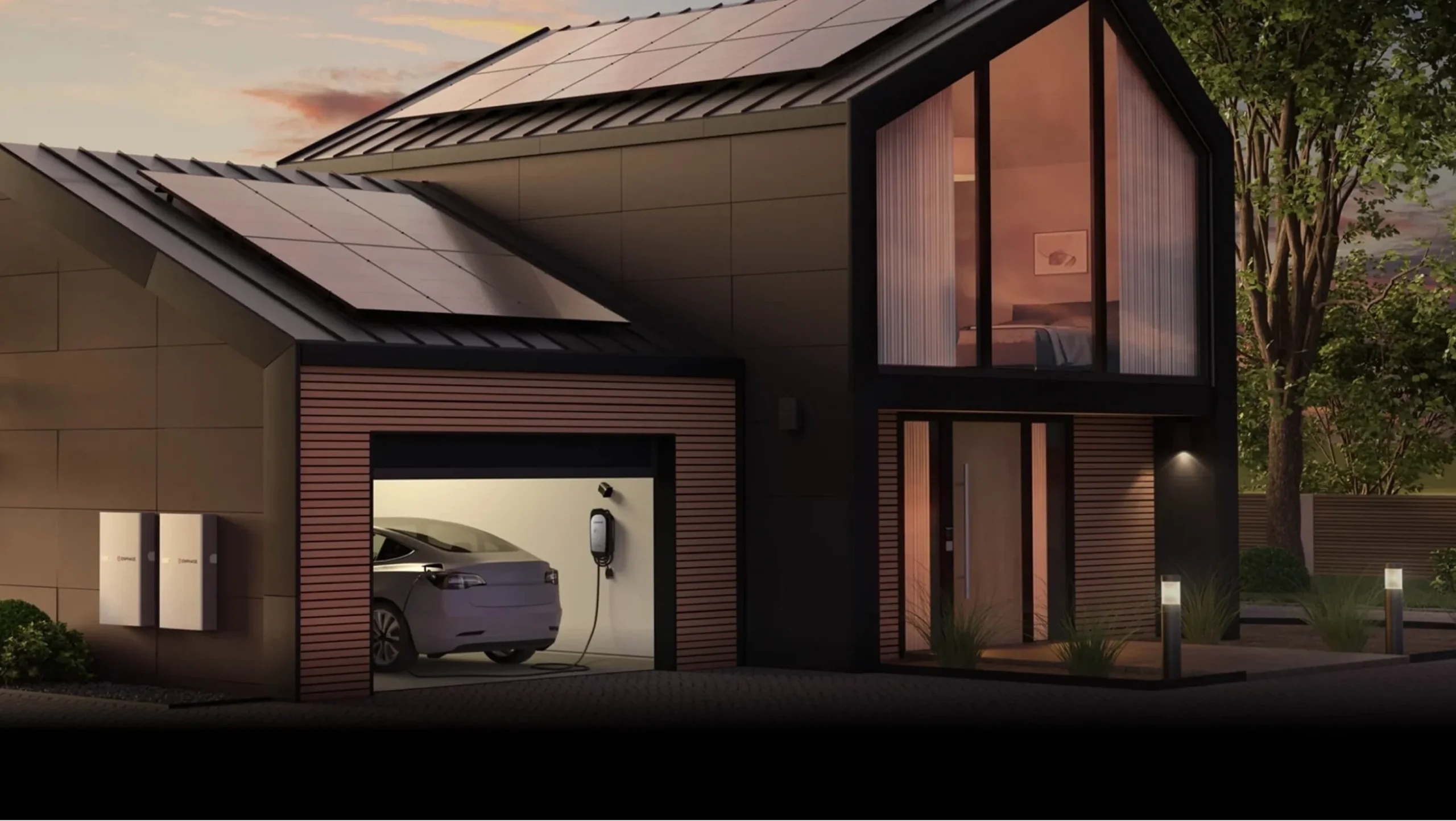
Connecticut’s main solar incentive is the RRES program, which sets your tariff for 20 years: 32.89¢ per kWh under Buy-All, or retail-rate bill credits under Netting. You also get a sales tax exemption, a property tax exemption, battery payments through Energy Storage Solutions, and Smart-E loans. No federal credit applies to purchased systems in 2026.
per kWh for everything you produce under Buy-All, locked 20 years
sales tax you skip on solar equipment and installation
per kW each year in battery payments for 10 years
The Smart-E Loan is financing, not a rebate. As of October 2, 2026, standard APRs run from 6.99% to 7.99% depending on term, with loans up to $50,000 for owner-occupied homes of one to four units. The lender makes the credit decision.
The Residential Renewable Energy Solutions (RRES) program replaced Connecticut’s old rebates and traditional net metering in 2022. Eversource and United Illuminating (UI) run it under the Public Utilities Regulatory Authority (PURA), for whole-home solar systems up to 25 kW AC.
You pick one tariff when you apply, it stays with the home for 20 years, and you can’t switch later.
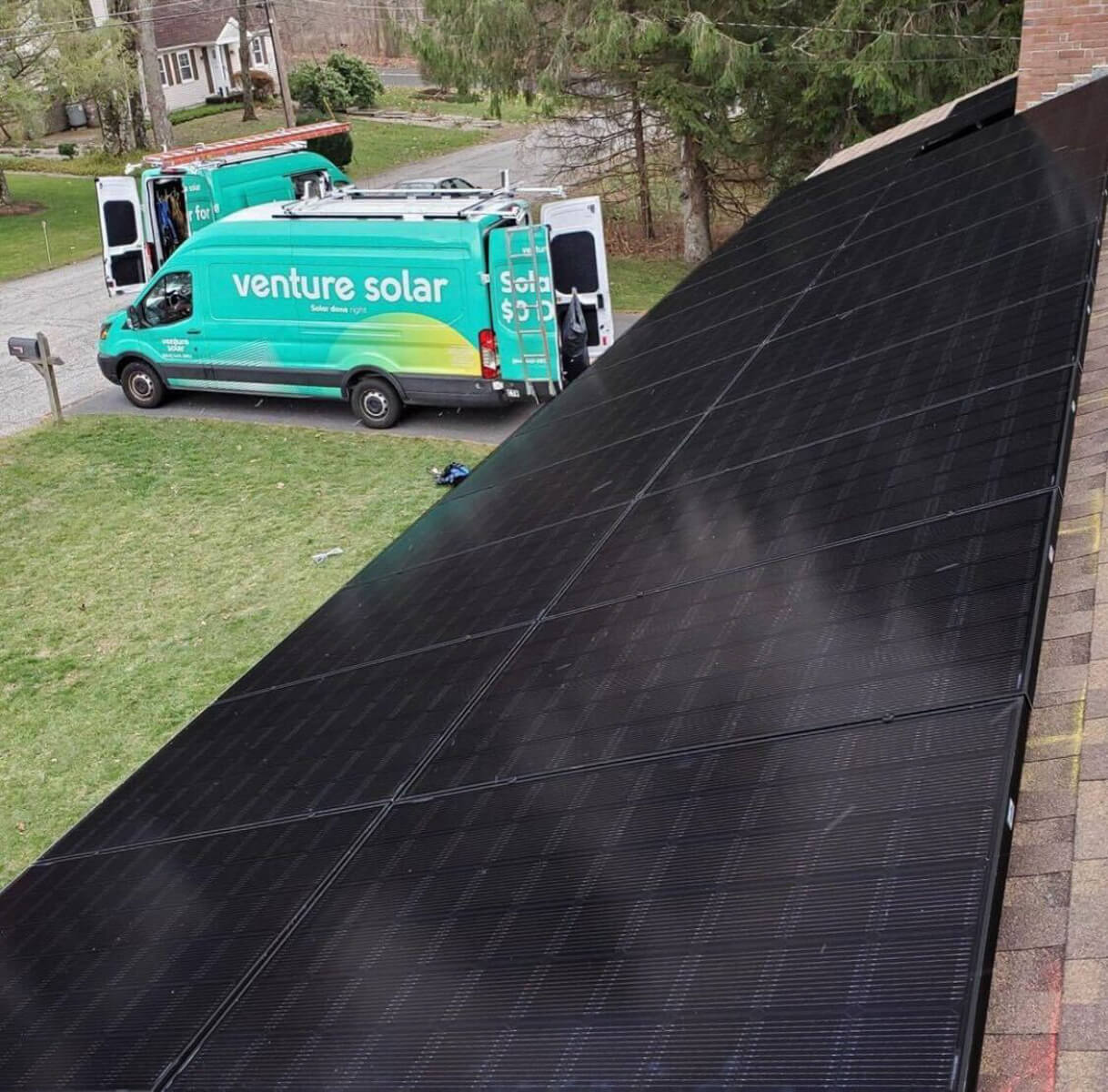
Solar on a home of up to four units is exempt from local property tax if its yearly production doesn’t exceed your yearly use.
Federal Tax Credits
The federal residential solar tax credit (Section 25D), the 30% credit many homeowners planned around, expired December 31, 2025. If you buy a system with cash or a loan in 2026, no federal credit applies. If you go solar through a lease or power purchase agreement (PPA), the company that owns the system may still claim a separate business credit (Section 48E) and, in some cases, pass part of that savings through as a lower monthly payment. That pass-through is not automatic or guaranteed dollar for dollar, so ask how it shows up in your quote.
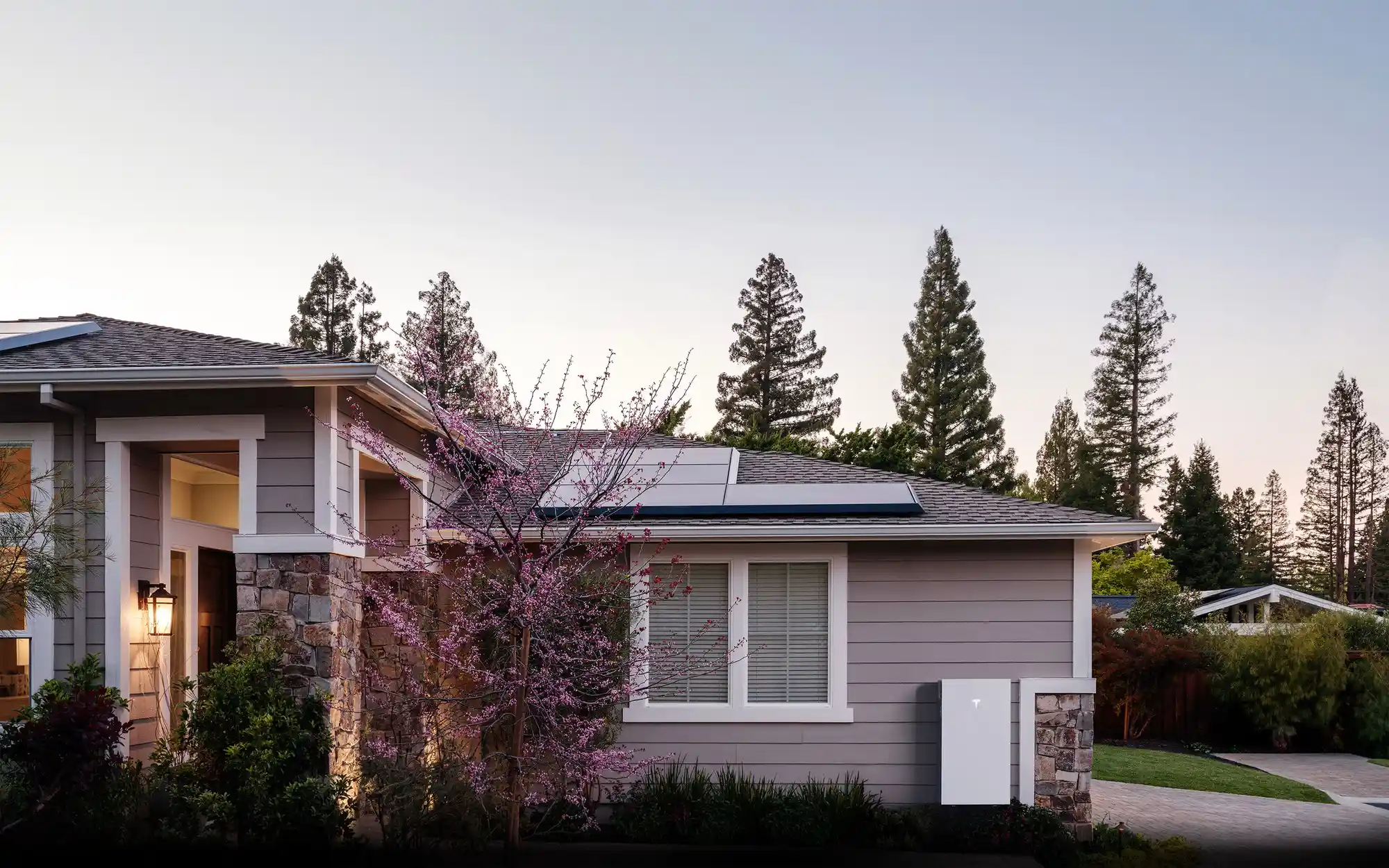
A Venture Home advisor reviews your roof, your last 12 months of electric use, and your utility, Eversource or UI.
We size the system to your usage and give you an itemized proposal that compares Buy-All and Netting for your home.
Pick Buy-All or Netting before the utility qualifies your application, then choose cash, a loan, or a lease or PPA.
Venture Home files your RRES application and utility interconnection paperwork, and enrolls your battery if you add one.
Most installs take 1 to 2 days with a local W-2 crew.
Your town inspects the system and the utility grants permission to operate. Leave it off until then.
Your tariff starts at activation. File your property tax exemption with the town assessor by November 1. Signed proposal to activation takes 8 to 12 weeks.
| Incentive | Venture Home | Connecticut Terms (Eversource and UI) |
|---|---|---|
| RRES Buy-All | Files your RRES application and interconnection | $0.3289 per kWh on all production, locked 20 years |
| RRES Netting | Files your RRES application and interconnection | Retail-rate credits on exports, plus a $0.0402 per kWh charge on production |
| Energy Storage Solutions | Installs the battery and handles enrollment paperwork | $30 per kWh up front, plus $300 to $550 per kW yearly for 10 years |
| Sales Tax Exemption | Shows the exemption on your itemized proposal | 6.35% exempt on systems, equipment, installation |
| Property Tax Exemption | Flags the November 1 filing step | Exempt once you apply to your town assessor |
| Smart-E Loan | Walks through financing options | 6.99% to 7.99% APR, up to $50,000 |
Buy-All pays a fixed $0.3289 per kWh on everything your system produces for 20 years (2026 applications). Netting credits exports at your retail rate, minus a $0.0402 per kWh charge on all production. You choose one when you apply and can’t switch.
Not for new customers. Traditional net metering ended in January 2022 when RRES began. The Netting tariff replaced it, with retail-rate credits that roll over until you close your account. If your home is already on net metering, then you keep that rate until the solar system is removed.
Connecticut’s current program list has no state income tax credit and no cash rebate for solar panels. The old rebate program, RSIP, was replaced by RRES in 2022.
Not if you buy with cash or a loan, because the Section 25D credit expired December 31, 2025. A lease or PPA company may still claim a business credit (Section 48E), and whether any of it lowers your payment depends on the contract.
It depends on your roof, system, and tariff. As an example, an 8 kW south-facing system near Hartford produces about 10,000 kWh a year, based on an NREL PVWatts estimate.
Venture Home’s installer team enrolls your system in REG or applies for REF on your behalf (whichever you choose), and files your interconnection paperwork. The sales tax exemption is automatic on your invoice, and the property tax exemption applies automatically without a separate filing.
Yes. Energy Storage Solutions is the state’s dedicated home battery incentive. For enrollments from April 1, 2026, it pays $30 per kWh of battery capacity ($130 in Grid Edge areas) plus $300 to $550 per kW each year for 10 years, based on your battery’s performance in utility dispatch events.
We run both RRES tariffs against your last year of electric use and show each one line by line. Want to know more first? Read about Venture Home in Connecticut.
Office Location
327 Captain Lewis Dr, Southington, CT 06489
Phone Number
(888) 522-9161
HIC.650479, ELC.0200835-E1
Office Hours
Sunday – Closed
Monday – 9AM-8PM
Tuesday – 9AM-8PM
Wednesday – 9AM-8PM
Thursday – 9AM-8PM
Friday – 9AM-8PM
Saturday – 9AM-5PM
Fill out the form and our team will be in touch with a free quote based on your local incentives and payment options.