$7,500
Maryland Solar Access Program (MSAP) rebate for income-qualified homeowners
UPDATED: OCTOBER 2026
Maryland backs solar with one of the deepest incentive stacks in the country: a market-based SREC program, an income-qualified cash rebate, a separate battery storage grant, full retail-rate net metering, and two tax exemptions. That net metering deal is scheduled to change in 2027. Here’s the full stack, and the deadline that matters.
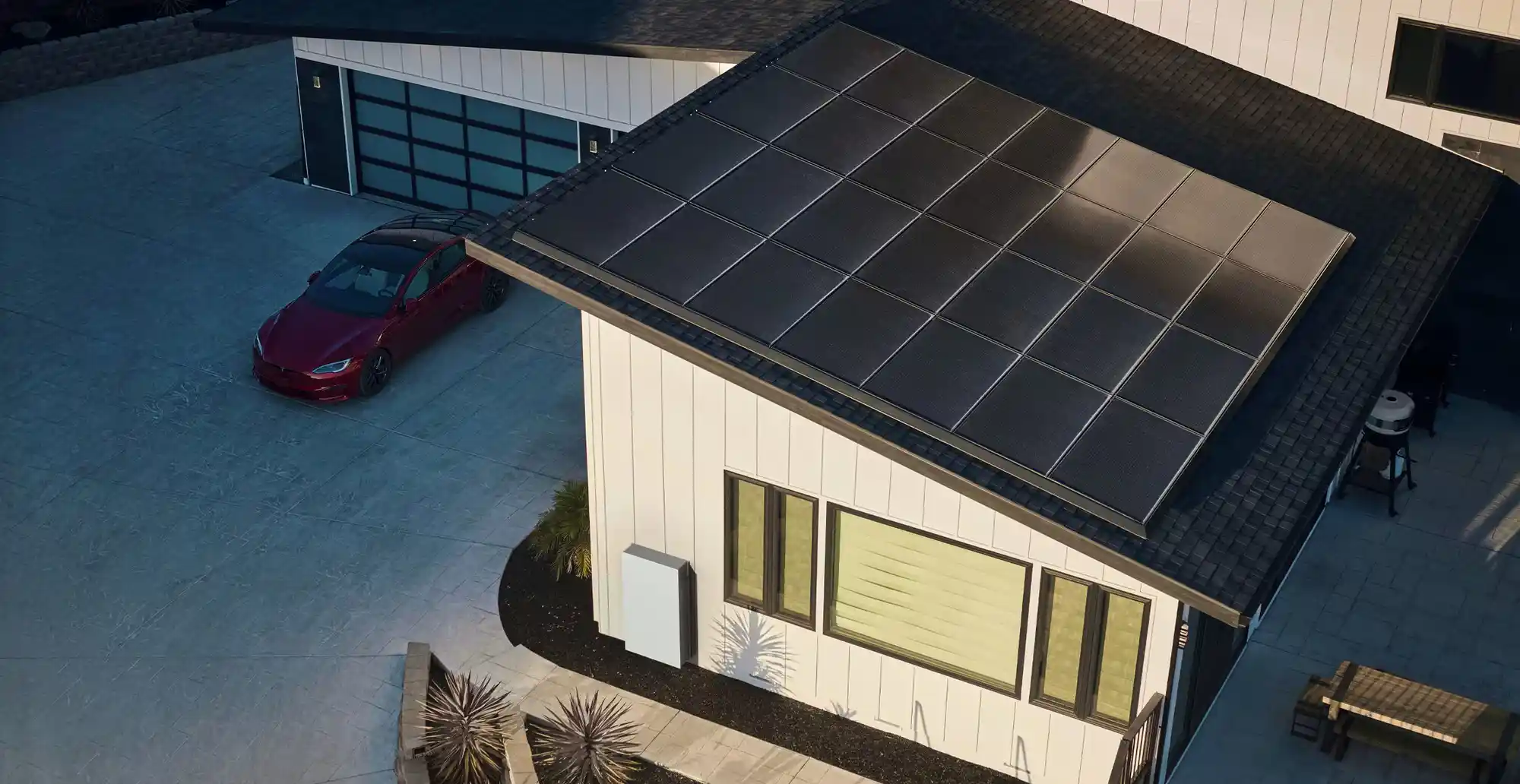
Maryland stacks seven state, utility, and market-based incentives for solar: net metering at the full retail rate, Solar Renewable Energy Certificates (SRECs) you can sell for ongoing income, a Maryland Solar Access Program (MSAP) rebate up to $7,500, a separate battery storage grant up to $5,000, EmPOWER Maryland efficiency rebates, and a 6% sales tax exemption plus a 100% property tax exemption. The one thing that’s changing: under 2026 legislation (the Utility RELIEF Act, HB 1532, signed 2026), today’s 1:1 net metering deal is scheduled to sunset July 1, 2027, replaced by a new program with a different payout structure.
Maryland Solar Access Program (MSAP) rebate for income-qualified homeowners
the year Maryland’s 1:1 net metering rate is scheduled to end, under the Utility RELIEF Act.
property tax exemption on added home value in Maryland
Maryland credits solar exports at the full retail rate, 1:1, across every utility in the state. The Utility RELIEF Act (HB 1532, signed in 2026) closes that program to new customers on July 1, 2027, or sooner if Maryland reaches its 3,000 megawatt statewide cap. A successor program the Public Service Commission must approve by February 1, 2027 takes its place, and the law says it will pay less.
If you’re enrolled before the cutoff, you keep 1:1 net metering for the life of your system. Your terms stay in place unless you expand the system, replace most of the panels, or decommission it.
The Commission is still deciding what counts as enrolled by the deadline: a submitted application, a signed interconnection agreement, or permission to operate. Since permitting alone runs 8 to 12 weeks, starting early is the safest way to qualify.

Effective net metering credit value is approximately 16.5¢/kWh. BGE (Baltimore Gas & Electric) is Maryland’s largest utility by far, covering Baltimore City and the Baltimore-area counties (Baltimore County, Howard, Anne Arundel, Carroll, Harford) within Venture Home’s footprint.
Effective net metering credit value is approximately 18.2¢/kWh — the higher of the two main utilities in Venture Home’s Maryland footprint. Pepco (an Exelon utility) serves Montgomery County and Prince George’s County, the DC-suburb counties.
Potomac Edison (Frederick County and parts of Western Maryland), Delmarva Power (Eastern Shore), SMECO (Southern Maryland), and Choptank Electric Cooperative (Eastern Shore) also participate in Maryland’s statewide net metering program under the same 1:1 rules. Ask your advisor to pull your specific utility’s current retail rate if you’re outside BGE or Pepco territory.
Solar Renewable Energy Certificates (SRECs) are Maryland’s version of a production incentive, and they work differently from a flat per-kWh rate: SRECs trade on an open market, so the price moves.
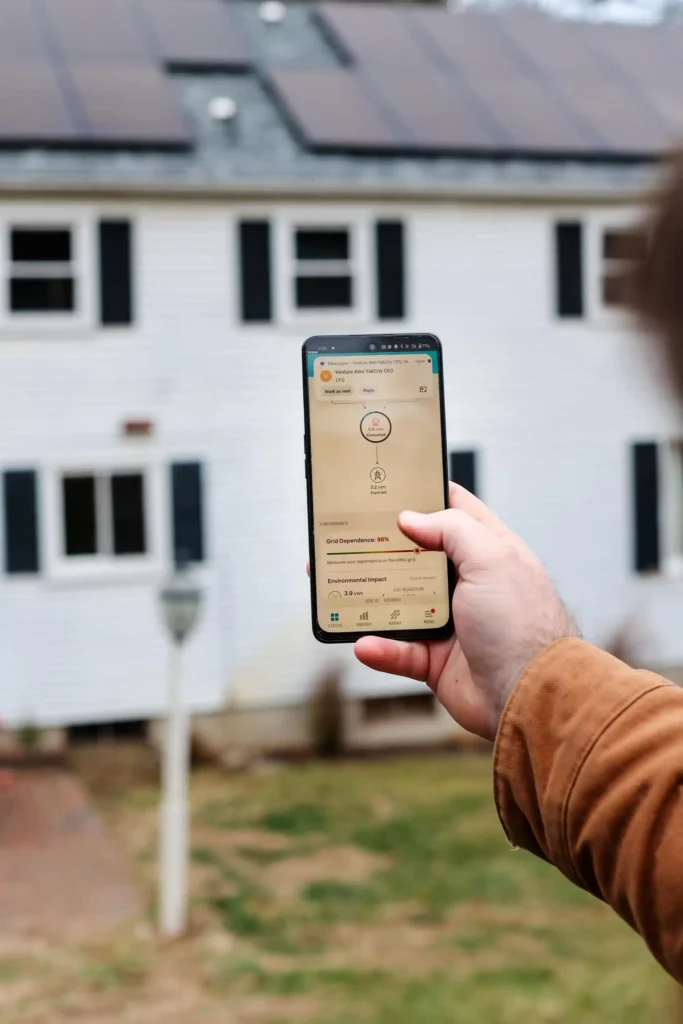
EmPOWER Maryland is the state’s energy-efficiency mandate — it requires every Maryland utility to hit specific savings targets, and each utility runs its own rebate menu to get there. For homeowners going solar, the relevant piece is usually heat pump and weatherization rebates, administered separately from your solar installation.
MSAP is Maryland’s cash rebate for solar installations, administered by the Maryland Energy Administration (MEA), it’s income-qualified rather than open to every homeowner.

Maryland’s newest incentive, launched in fiscal year 2026, is a dedicated battery storage grant, separate from MSAP and stackable with it.
Because this program is brand new and its funding cycle moves fast, treat the $5,000 figure as the program’s ceiling, not a guarantee of current availability — ask your advisor to confirm whether a new funding round is open before counting on it.

A Venture Home advisor reviews your usage, your roof, and your specific utility account, and models what your incentive stack actually looks like in dollars, before you commit to anything.
We size the system to your usage, and hand you an itemized proposal showing SREC income potential, MSAP/RCES eligibility, and net metering value, plus a clear read on where you stand relative to the July 2027 change.
Cash, loan, or lease/PPA, this affects federal credit pass-through eligibility, though not MSAP or the tax exemptions.
These require a reservation before your system goes in. Your advisor handles this timing as part of the proposal stage. If you’re adding a battery, see how battery backup works with Maryland’s RCES grant.
Your installer files your permit and interconnection application. This step also includes SREC program registration.
Most Venture Home installations are completed in 1–2 days by a local W-2 crew.
Your system can’t be turned on, or start earning net metering credits, until PTO is granted.
Net metering credits begin accruing immediately. SREC sales typically start within a few months of activation.
Federal Tax Credits
The federal residential solar tax credit (Section 25D – the 30% credit many homeowners planned around) expired December 31, 2025. If you buy or finance a system with a loan in 2026, there is no federal credit attached to it. (You may see older articles claiming this credit runs through 2032 with no cap — that language predates the 2025 federal law that repealed it; don’t rely on it.)
There’s one exception: if you go solar through a lease or Power Purchase Agreement (PPA), the third-party company that owns your system may still claim a separate business-side credit (Section 48E) and, in some cases, pass part of that savings through as a lower monthly payment. That pass-through isn’t automatic or guaranteed dollar-for-dollar.
This is exactly why Maryland’s own stack: SRECs, MSAP, the RCES battery grant, net metering, and both tax exemptions, matters more in 2026 than it did a few years ago. It’s not a substitute for the old federal credit, but it’s a real, still-available stack that doesn’t depend on Washington.

| Venture Home | BGE | Pepco | |
|---|---|---|---|
| Service Area | Installs across Venture Home’s Maryland footprint | Baltimore City, Baltimore County, Howard, Anne Arundel, Carroll, Harford | Montgomery County, Prince George’s County |
| Net Metering Credit Value | Sizes your system to your actual usage so you capture the full credit before the 2027 change | ~16.5¢/kWh | ~18.2¢/kWh |
| SREC Registration | Registers your system and arranges SREC sale through an aggregator | Same statewide market | Same statewide market |
| MSAP Rebate (up to $7,500) | Confirms your project qualifies and is installed by an MSAP-approved contractor | State, not utility, program | State, not utility, program |
| RCES Battery Grant (up to $5,000) | Installs and helps you apply when funding is open | State, not utility, program | State, not utility, program |
| EmPOWER Heat Pump Rebate | Not a Venture Home install | Utility-specific | Utility-specific |
| Sales Tax Exemption | Applied directly on your invoice | Statewide | Statewide |
Maryland stacks seven state, utility, and market-based incentives: net metering at full retail rate, SRECs, the MSAP rebate (up to $7,500, income-qualified), the RCES battery grant (up to $5,000), EmPOWER Maryland efficiency rebates, a 6% sales tax exemption, and a 100% property tax exemption. The federal residential credit expired at the end of 2025.
MSAP is a one-time cash rebate you apply for before installation, capped at $7,500, and it’s income-qualified. SRECs are an ongoing, market-based income stream with no income limit and no application deadline. They stack together.
If your household income is above the MSAP limit, then you’re still eligible for SRECs, net metering, and both tax exemptions, MSAP is the only income-restricted program.
If you’re comparing which is worth more, then it depends on system size and ownership length, MSAP is capped and one-time, SREC income continues as long as your system produces.
Maryland’s Utility RELIEF Act (HB 1532) closes the current 1:1 net metering program to new customers on July 1, 2027, or sooner if the state reaches 3,000 MW. The PSC must approve a successor program by February 1, 2027, and the law says it will pay less. Systems already enrolled keep 1:1 credits for the life of the system. The PSC is still deciding what counts as enrolled by the deadline (application, signed agreement, or permission to operate), so starting early is the safest move.
Not if you buy or finance with a loan — Section 25D expired December 31, 2025. Leases/PPAs may still pass through a separate business credit, but it’s not guaranteed.
It depends on system size, utility, MSAP eligibility, and current SREC prices.
Venture Home files interconnection paperwork and SREC registration. The sales tax exemption is automatic on your invoice. You’re responsible for applying to MSAP/RCES before installation if eligible, and confirming the property tax exemption with your county if it isn’t automatic.
The RCES grant (up to $5,000, when funding is open) makes batteries meaningfully cheaper here than in states without a dedicated storage incentive. Beyond the grant, it comes down to outage risk and backup priorities, ask your advisor to walk through both, and confirm RCES funding status first.
Get a free quote and we’ll model SRECs, MSAP, the battery grant, net metering, and both tax exemptions against your actual home and utility, and tell you exactly where you stand relative to the 2027 net metering change. Want the bigger picture on Venture Home in Maryland first? Start there.
Office Location
36 Brookside Dr, Wilmington, DE 19804
Phone Number
(888) 522-9161
HIC.148024, #ELC.16621
Office Hours
Sunday – Closed
Monday – 9AM-8PM
Tuesday – 9AM-8PM
Wednesday – 9AM-8PM
Thursday – 9AM-8PM
Friday – 9AM-8PM
Saturday – 9AM-5PM
Fill out the form and our team will be in touch with a free quote based on your local incentives and payment options.


