$5,000
Maximum New York state tax credit, 25% of system cost
UPDATED: OCTOBER 2026
New York backs solar with a real incentive stack, but it splits in two depending on where you live: NYC has its own property tax abatement, the rest of the state uses a different exemption, and NY-Sun rebates are closed for now, with new low- and moderate-income funding announced in October 2026. Here’s exactly what applies to you.

New York stacks five incentives for solar, and the property tax break depends on where you live. Statewide: a 25% state tax credit up to $5,000, net metering, and a sales tax exemption. NY-Sun solar rebates are paused, with new low- and moderate-income funding announced in October 2026. For property tax, NYC uses its own abatement (30% of system cost over 4 years, through 2035), and the rest of the state uses a 15-year exemption under state law that most towns still honor.
Maximum New York state tax credit, 25% of system cost
Property tax exemption outside NYC
NYC property tax abatement over 4 years (NYC only)
NY-Sun is New York’s solar rebate program, run by NYSERDA. No residential NY-Sun block is open right now.
Standard-income households: Con Edison’s last block closed May 29, 2025. Upstate blocks closed Aug 4, 2025 (Central Hudson, O&R) and Dec 17, 2025 (National Grid, NYSEG, RG&E). Long Island’s ended in 2016.
Income-eligible households (Affordable Solar): paid $0.80/W in Con Ed and Upstate territory and $0.40/W on Long Island. The Con Ed block closed Oct 15, 2025 and the Upstate block closed Mar 9, 2026.
What’s Next: NYSERDA announced about $20 million for low- and moderate-income home solar on October 14, 2026. Rates haven’t been published. Ask your advisor whether a block has opened before you sign.
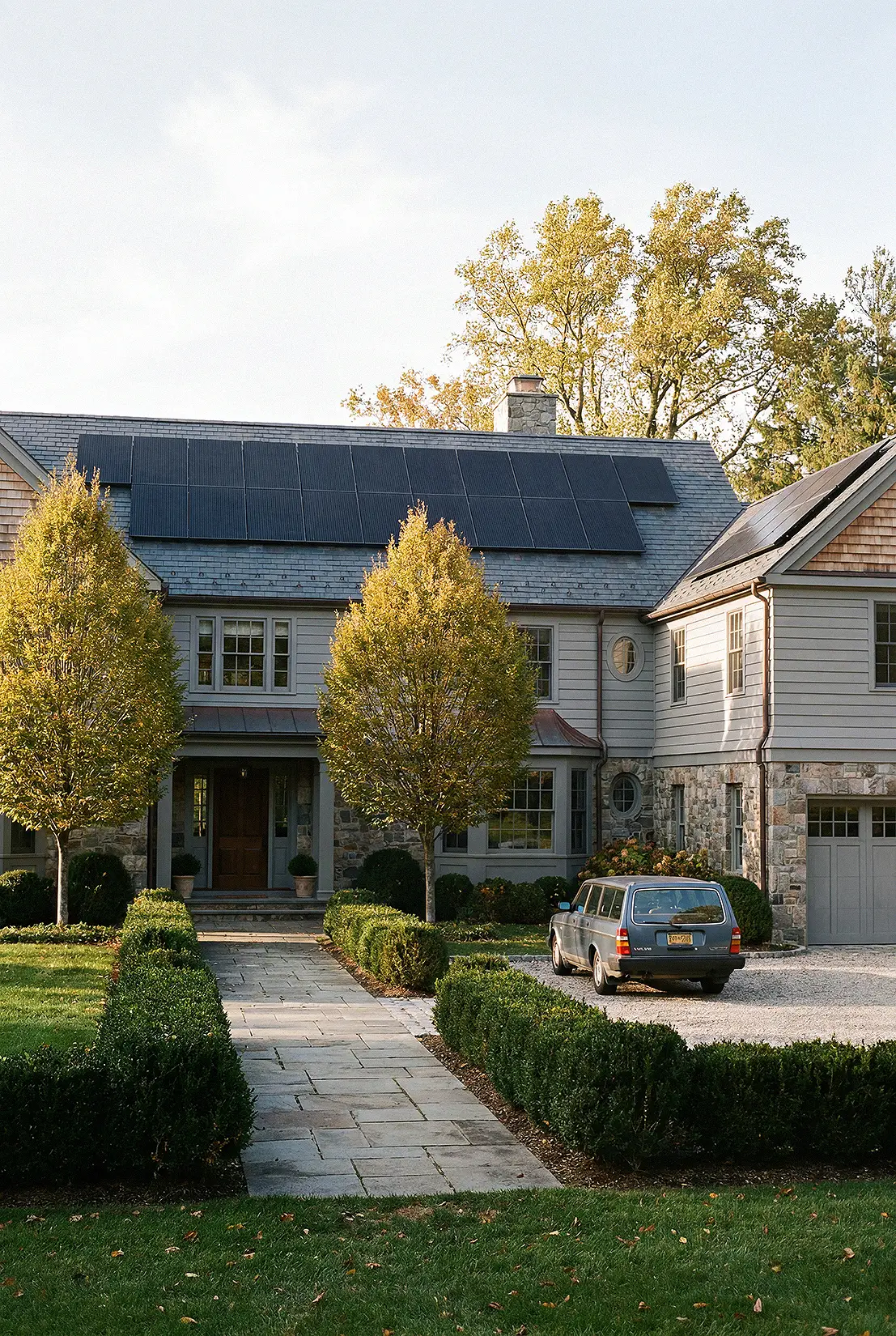
If your system is under 25 kW — nearly every residential installation — you’re eligible for Phase One Net Metering, crediting exports at the full retail rate. New York also has VDER (Value of Distributed Energy Resources), which credits exports based on calculated grid value instead.
Systems connected since 2022 also pay a monthly Customer Benefit Contribution, a fixed charge based on system size. In 2026 it runs from $0.97 to $1.67 per kW per month depending on your utility, or about $8 to $14 a month for an 8 kW system. Credits roll forward month to month. At your annual true-up, any extra credits are paid out at the utility’s wholesale rate, which is why we size systems to your actual usage.
VDER matters for large commercial systems and community solar, not typical homeowners. Venture Home designs residential systems around standard net metering unless your situation says otherwise.
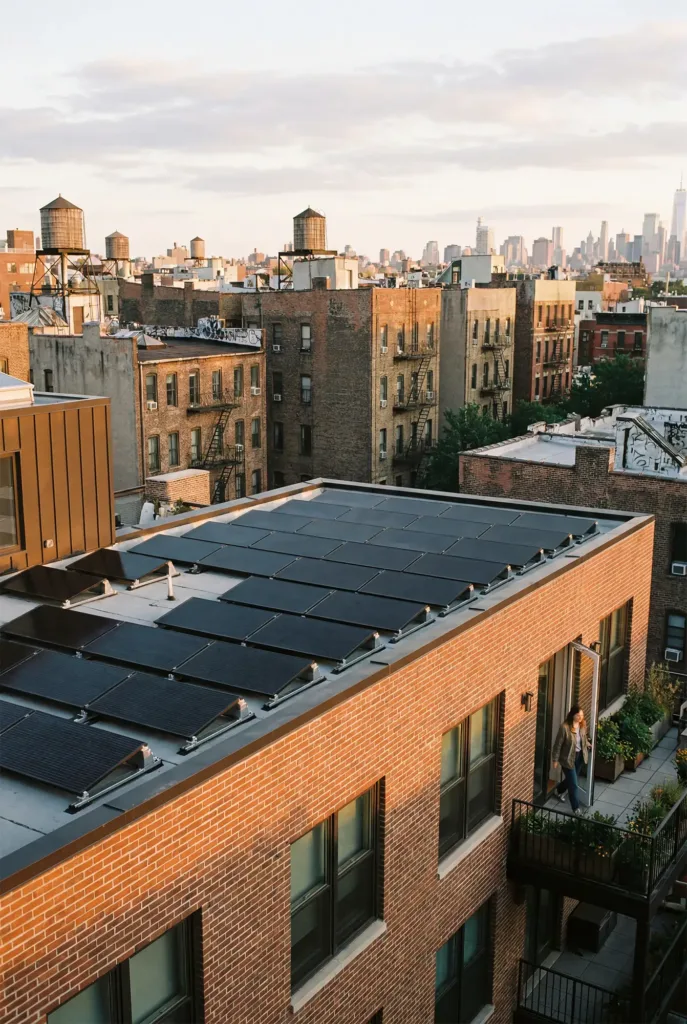
Inside New York City: NYC’s Solar and Electric Storage System Property Tax Abatement, extended through 2035, pays 30% of eligible costs (or $250,000, whichever is less) over four equal annual installments of 7.5%, for systems placed in service January 1, 2024 – January 1, 2035. Systems placed in service from 2014 through 2023 received 20% over four years.
Everywhere else in New York State: a 15-year property tax exemption under Real Property Tax Law §487 — an opt-out law, not opt-in. Every municipality grants it automatically unless it’s specifically passed a local law to opt out and filed that with the state. The state maintains a public opt-out list; worth a quick check for your town, but most municipalities still offer it.
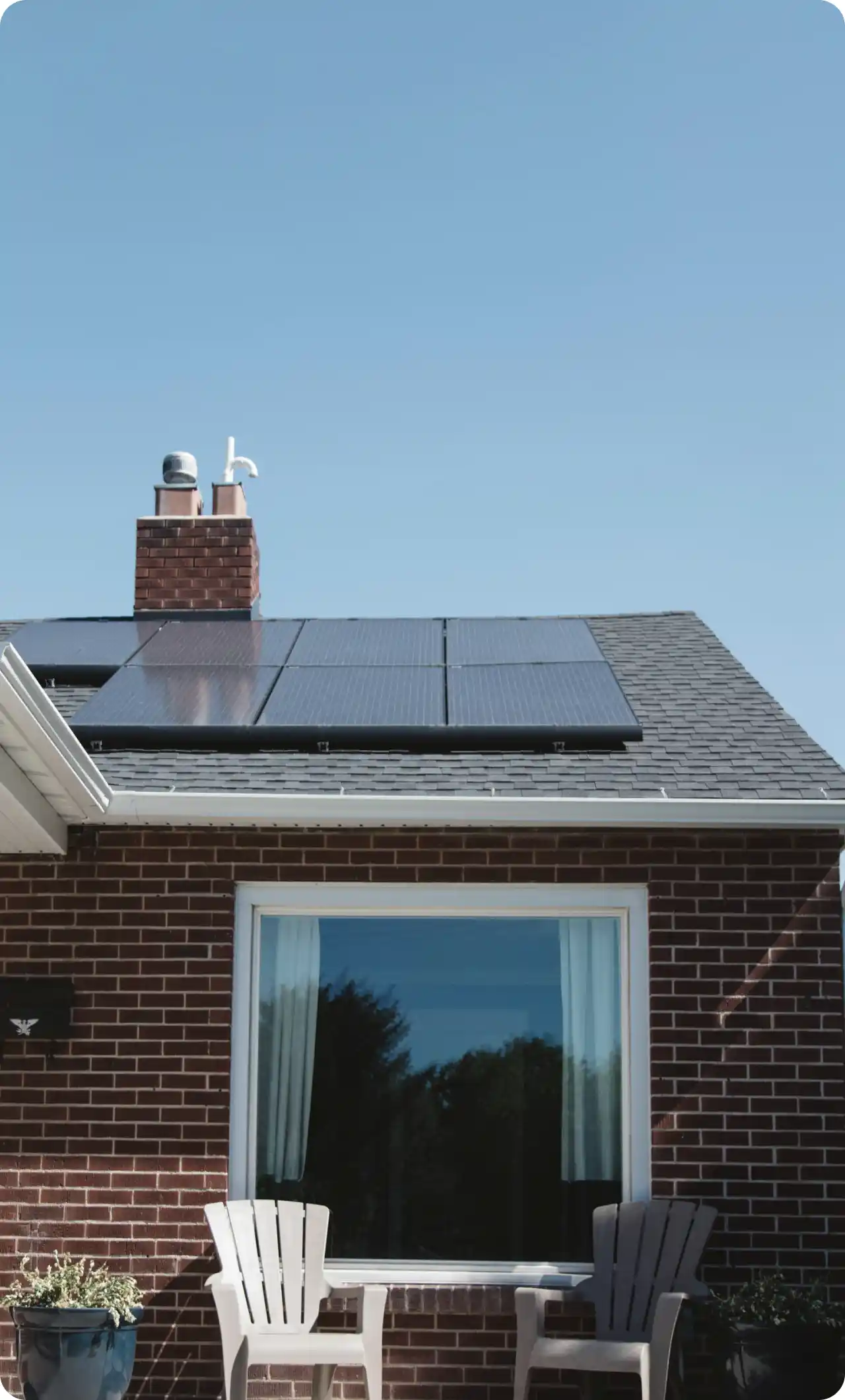
Long Island runs on its own rules. PSEG Long Island operates the grid for LIPA, so net metering follows LIPA’s tariff instead of the state utility rules, and several NYSERDA programs work differently here.
Venture Home’s Long Island team works out of our Hicksville office and handles the PSEG Long Island interconnection for you.
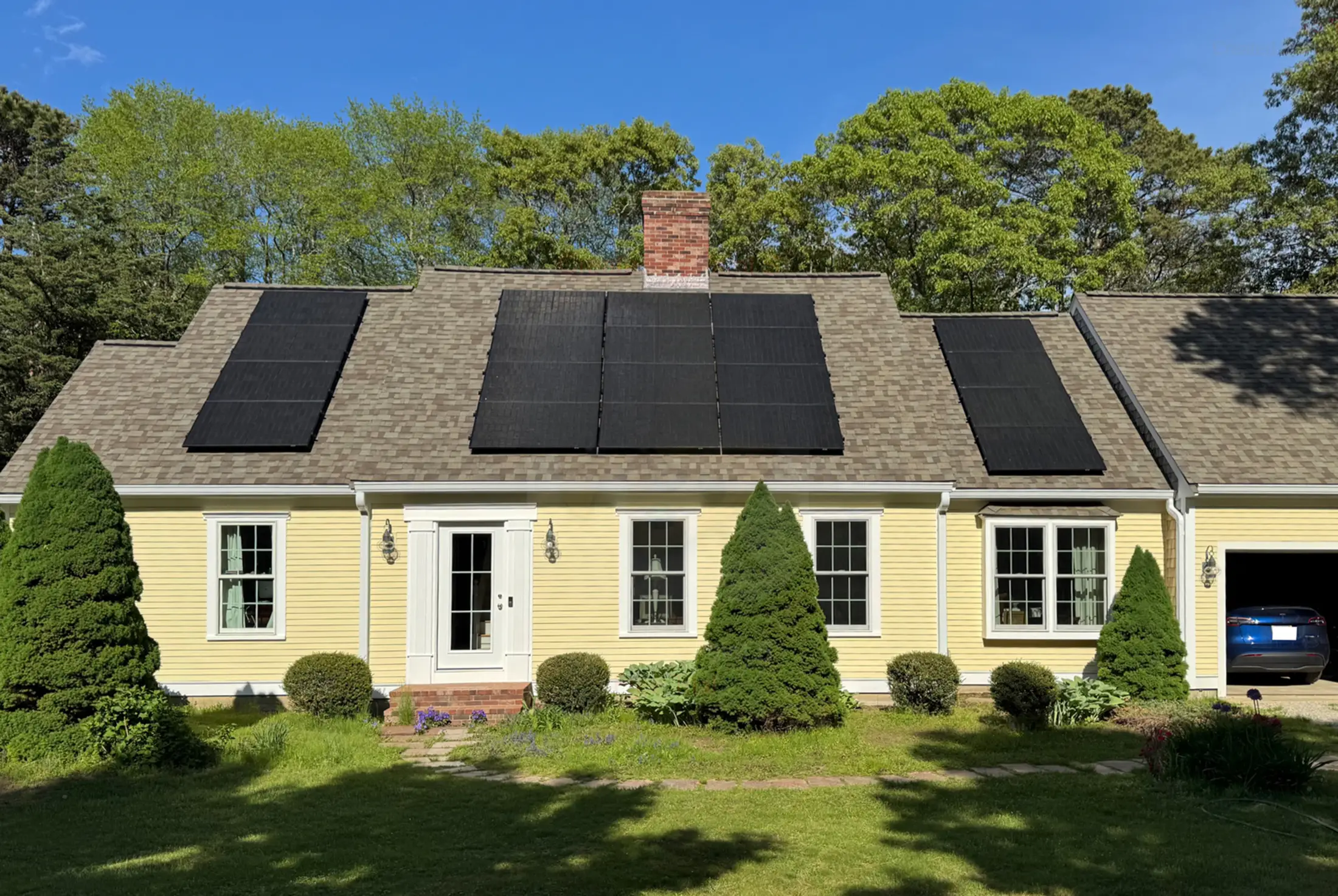
A Venture Home advisor reviews your usage, your roof, and your specific utility account, and models what your incentive stack actually looks like in dollars, before you commit to anything.
We size the system to your usage and hand you an itemized proposal showing your tax credit, any open NY-Sun rebate, and your property tax break.
Cash, loan, or lease/PPA, this affects federal pass-through eligibility and how you claim the state tax credit.
Your advisor files the permit and utility interconnection application, plus a NY-Sun reservation if a block is open.
Most Venture Home installations are completed in 1–2 days by a local W-2 crew.
Your system can’t be turned on, or start earning net metering credits, until PTO is granted.
Net metering credits begin accruing immediately.
State tax credit on your return; NYC abatement installments or confirm your town’s §487 status.
Federal Tax Credits
The federal residential credit (Section 25D) expired December 31, 2025, no credit if you buy or finance with a loan in 2026. A lease or PPA may pass through a separate business credit (Section 48E), not guaranteed or automatic. This is exactly why New York’s own stack, NY-Sun (if open), the 25% state credit, net metering, and your address-specific property tax break, matters more in 2026.

| Venture Home | Con Edison (NYC/Westchester) | Upstate (National Grid / NYSEG / RG&E) | |
|---|---|---|---|
| NY-Sun Standard-Income Rebate | Confirms whether a block is currently open | Closed since May 29, 2025 | Closed Aug 4, 2025 (Central Hudson, O&R) and Dec 17, 2025 (National Grid, NYSEG, RG&E) |
| NY-Sun Affordable Solar | Checks whether a new block has opened | Closed Oct 15, 2025 | Closed Mar 9, 2026 |
| Net Metering | Sizes your system for standard net metering, not VDER | Full retail rate, systems under 25 kW | Full retail rate, systems under 25 kW |
| Property Tax Break | Confirms NYC abatement vs. statewide §487 exemption | NYC abatement: 30% over 4 years | §487: 15 years, opt-out by municipality |
| Sales Tax Exemption | Applied directly on invoice | 4% state, local varies | 4% state, local varies |
| Battery Incentive | Sizes and installs your battery | $250/kWh, up to $6,250 | $200/kWh, up to $5,000 (next block $175/kWh) |
| State Tax Credit | Confirms amount after NY-Sun rebate | Same statewide program | Same statewide program |
New York stacks five incentives: a 25% state tax credit up to $5,000, net metering for systems up to 25 kW, a property tax break that differs between NYC (an abatement) and the rest of the state (an exemption), a 4% state sales tax exemption, and NY-Sun rebates, which are paused, with new low- and moderate-income funding announced in October 2026. The federal residential credit expired at the end of 2025.
Net metering credits your exported solar power at the full retail electricity rate; VDER credits it based on a calculated grid value instead. For systems under 25 kW (nearly every residential system) net metering is available and is almost always the better deal.
Not right now. Standard-income blocks closed in 2025 in every territory, and the income-eligible Affordable Solar blocks closed in October 2025 (Con Edison) and March 2026 (Upstate). NYSERDA announced about $20 million for low- and moderate-income home solar on October 14, 2026, but hasn’t published rates yet.
Not if you buy or finance with a loan, Section 25D expired December 31, 2025. A lease or PPA may still pass through a separate business credit, but it’s not guaranteed.
It depends on your address (NYC or statewide property tax rules), your utility territory, and how you pay for the system.
Venture Home’s installer team files your interconnection paperwork and any open NY-Sun rebate reservation. The 4% state sales tax exemption is automatic on your invoice. You’re responsible for claiming the 25% state tax credit on your return, and (if you’re outside NYC) confirming your municipality hasn’t opted out of the §487 exemption.
Yes. If your lease or power purchase agreement runs at least 10 years, you can claim 25% of the payments you make each year, up to $5,000 total over the agreement. If you buy the system, you claim 25% of what you paid, up to $5,000, in the year it’s installed. Either way the credit is non-refundable and unused amounts carry forward up to five years.
Long Island follows LIPA’s net metering tariff instead of the state utility rules, pays a monthly Customer Benefit Contribution of $1.13 per kW, and has no standard NY-Sun rebate. The 25% state tax credit, sales tax exemption, and §487 property tax exemption all still apply.
Get a free quote and we’ll model your specific New York incentive stack. NYC abatement or statewide exemption, current NY-Sun eligibility, net metering, and the state tax credit, against your actual home and income. Want the bigger picture on Venture Home in New York first? Start there.
Office Location
100 Charlotte Ave
Hicksville, NY 11801
Phone Number
(888) 522-9161
Jurisdictions, license or registration information can be provided upon request.
Office Hours
Sunday – Closed
Monday – 9AM-8PM
Tuesday – 9AM-8PM
Wednesday – 9AM-8PM
Thursday – 9AM-8PM
Friday – 9AM-8PM
Saturday – 9AM-5PM
Fill out the form and our team will be in touch with a free quote based on your local incentives and payment options.


