Skip to content

Pennsylvania Solar Incentives: Net Metering and SRECs in 2026

UPDATED: NOVEMBER 2026

Pennsylvania has no state solar tax credit or rebate. PA solar incentives come from net metering, which credits your electric bill at the full retail rate, and SRECs, a market-priced credit you can sell. Here is what each is worth today, which utility rules are changing, and what Venture Home files for you.
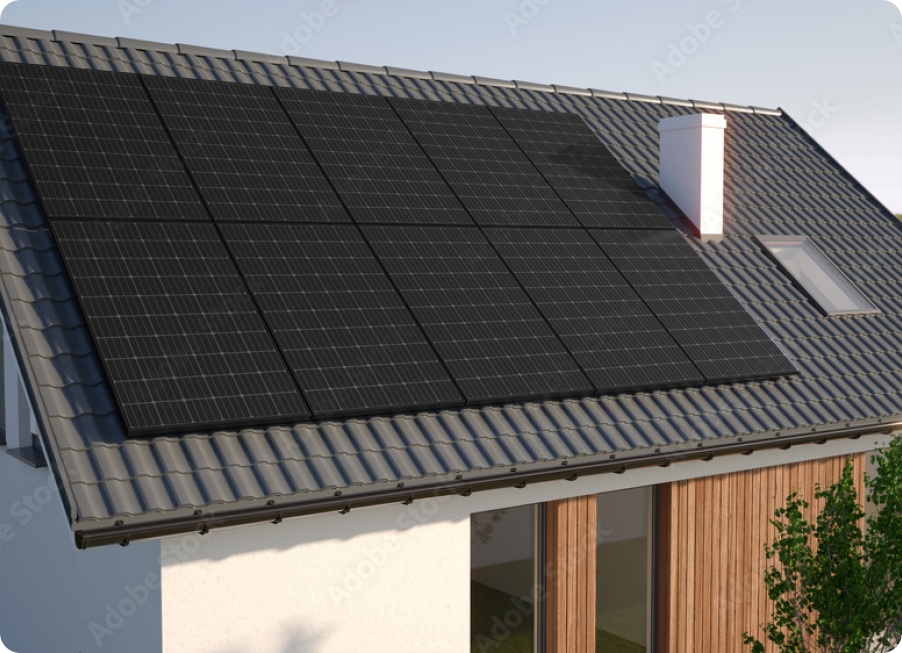
Solar panels installed on the roof of a residential home, generating clean, renewable energy.
  • 87,980 net metered customers statewide
  • Signed proposal to activation in 8 to 12 weeks
  • Local W-2 crews, most installs in 1 to 2 days

The short answer

Pennsylvania’s solar incentives are net metering and SRECs. Net metering credits your bill at the full retail rate for home systems up to 50 kW. SRECs add about $20 per credit today, or $120 to $250 a year for a typical home. The state has no solar tax credit or rebate, and the federal credit ended December 31, 2025.

1:1

net metering credit at your utility’s full retail rate, kWh for kWh

50 kW

largest home system that qualifies for net metering

6 to 12

SRECs a typical 5 to 10 kW home system earns each year

No state tax credit or rebate: here is what applies instead

Pennsylvania offers no state income tax credit for residential solar and no statewide cash rebate. Your savings come from your electric bill, with SREC income as a smaller add-on.

What Pennsylvania doesn’t offer

  • Sales tax exemption: the Department of Revenue excludes residential solar from the manufacturing exemption (Sales and Use Tax Bulletin 2010-01), so the tax sits inside your installed price.
  • Property tax exemption: we found no statewide exemption for home solar. Ask your county assessment office whether panels raise your assessed value.
  • A solar loan program: neither KeystoneHELP nor the KEEP Home Energy Loan lists solar among eligible projects.
The image shows a side of a house with light gray horizontal siding, featuring mounted electrical panels and a meter, hinting at solar panel installation. A metal conduit pipe runs vertically up to the eaves, alongside a window and part of a brick wall.

Net metering: retail-rate credit on your electric bill

Under 52 Pa. Code § 75.13, your utility credits each kWh your solar produces at the full retail rate, and extra credits carry forward month to month. Home systems up to 50 kW qualify.
How it Works

  • Year-end credits: leftover credits are paid at your utility’s price to compare, the supply-only rate, which is lower than retail.
  • Sizing: a system sized to your annual use earns the most from every panel, so Venture Home designs whole-home solar systems around your usage and files the utility interconnection application.
  • PECO and Duquesne Light: both credit home solar at the full retail rate, and we found no pending change as of October 2, 2026.
  • PPL Electric: a July 1, 2026, tariff moves customers at 100 kW or more of peak load to an hourly default rate. Residential customers on the RS and RTS schedules stay on the fixed-price rate, so a typical home isn’t reclassified. Confirm current terms before you sign.
  • FirstEnergy Pennsylvania (Met-Ed, Penelec, Penn Power, West Penn): a default service plan filed February 3, 2026, proposes hourly pricing for some net-metered customers starting June 1, 2027. The PUC is expected to rule by the end of 2026, and current rules still credit home solar at the full retail rate.
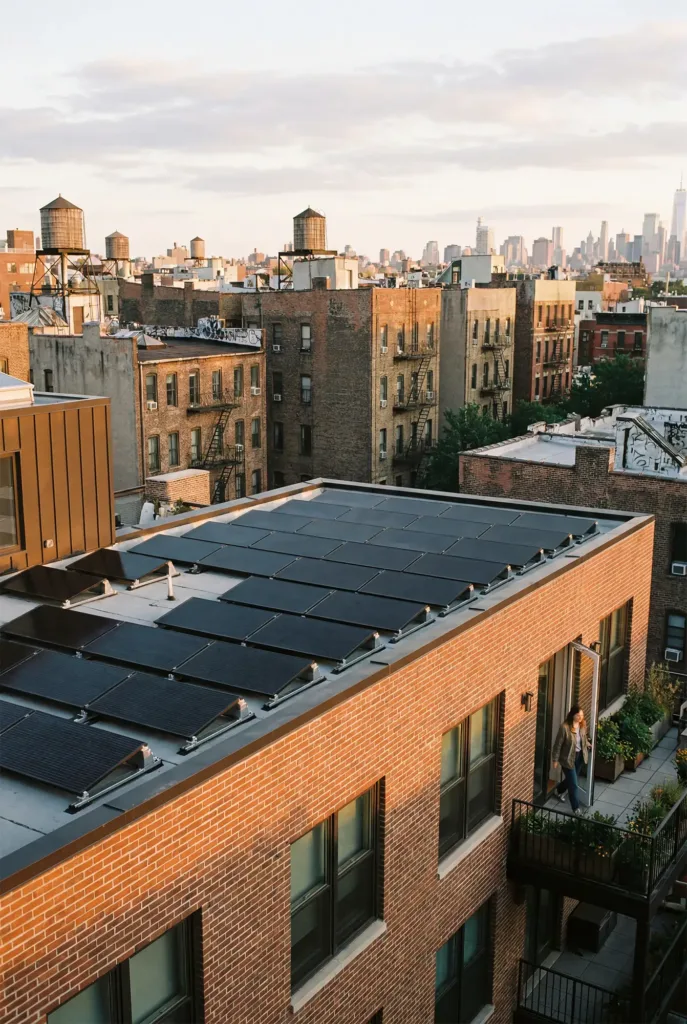
Rooftop solar panels on a brick apartment building in a city neighborhood, with more buildings and water towers in the background at sunset.

SRECs: income from the credits your system creates

Your system creates one SREC for every 1,000 kWh it produces. Pennsylvania’s law calls them alternative energy credits, and utilities and suppliers must buy them.

How it Works

  • Typical output: a 5 to 10 kW home system makes 6 to 12 SRECs a year.
  • Today’s price: a broker listing checked October 2, 2026, showed $20.50 for 2026 credits, or about $120 to $250 a year.
  • Why it swings: the PUC’s yearly average spot price was $46.01 in 2023 and $35.53 in 2025, and the PUC calls the market oversupplied. Treat SREC income as a bonus, and base your payback on bill savings.
  • How you sell: certify the system with the PUC through PennAEPS, register it in PJM-GATS, and sell through a broker. With a lease or PPA, the system owner may keep the credits.

Two programs to watch: Solar for All and the Philadelphia rebate

Neither pays homeowners today, and both searches come up often.

How it Works

  • Solar for All: Pennsylvania won a $156 million grant in 2024, and EPA canceled the program in August 2025. A federal court ruled the cancellation unlawful on September 18, 2026, but the state’s Department of Environmental Protection still lists the program as not operational. Check its page for updates.
  • Philadelphia Solar Rebate: the City’s $0.20 per watt rebate for properties inside Philadelphia is closed, and new applications go on a waiting list.
A group of men working on a solar installation, carefully setting up and maintaining efficient solar panels.

How to Apply for Pennsylvania Solar Incentives: Step-by-Step

1. Request a quote

Share your address and recent electric bills so Venture Home can size a system to your annual use.

2. Review your itemized proposal

Your itemized proposal lists equipment, system size, and price, so you can check the net metering and SREC math against your own bills.

3. Choose how you pay

Cash, loan, or lease or PPA. Ownership decides who claims any federal credit and who holds the SRECs.

4. Sign and let Venture Home file

We file the permits, your utility interconnection application, and the incentive paperwork.

5. Installation

Local crews install most systems in 1 to 2 days.

6. Inspection and Permission to Operate

Your utility reviews the system and issues Permission to Operate. It can’t run before then.

7. Activation and SRECs

Signed proposal to activation takes 8 to 12 weeks, and net metering credits start once the system is live. Owners then certify the system through PennAEPS and register it in PJM-GATS.

Federal Tax Credits

What happened to the federal tax credit?

The federal residential solar tax credit (Section 25D), the 30% credit many homeowners planned around, expired December 31, 2025. If you buy a system with cash or a loan in 2026, no federal credit applies. If you go solar through a lease or power purchase agreement (PPA), the company that owns the system may still claim a separate business credit (Section 48E) and, in some cases, pass part of that savings through as a lower monthly payment. That pass-through is not automatic or guaranteed dollar for dollar, so ask how it shows up in your quote.

A home with solar panels installed on the roof, harnessing solar energy for sustainable power.

Pennsylvania incentives at a glance

Venture Home PECO and Duquesne Light PPL Electric FirstEnergy PA
Net Metering Credit Full retail rate Full retail rate; homes stay on the fixed-price rate Full retail rate today; change proposed for June 2027
SRECs Eligible Eligible Eligible
Sales Tax Exemption None None None
Local Rebate Philadelphia program closed None found None found
Net Metering Credit
Venture HomeFiles your interconnection application
PECO / DuquesneFull retail rate
PPL ElectricFull retail rate; homes stay on the fixed-price rate
FirstEnergy PAFull retail rate today; change proposed for June 2027
SRECs
Venture HomeFiles incentive paperwork
PECO / DuquesneEligible
PPL ElectricEligible
FirstEnergy PAEligible
Sales Tax Exemption
Venture HomeLists costs in your itemized proposal
PECO / DuquesneNone
PPL ElectricNone
FirstEnergy PANone
Local Rebate
Venture HomeNot applicable
PECO / DuquesnePhiladelphia program closed
PPL ElectricNone found
FirstEnergy PANone found

1500+ 5-Star
Reviews

Hard working crew

Great job by a hard working crew. The foreman listened to my concerns about exposed conduit near the front of my house and did a really great job.

– Marc O., Delaware

Excellent solar company

They are giving me great savings on my Electric. I had to wait for city permits, which they take care of, before installation can begin. Didn’t wait long. The installation went beautifully. They were very friendly, courteous, efficient, fast and cleaned everything up before they left.

– T.B., Delaware

Great transparency

Very informative salesperson, very professional install crew. Great transparency and super patient during the whole process. Had a few companies out, and Venture by far had the best presentation, and the best product to offer!

– Lenny C., Delaware

Save with solar

Frequently Asked Questions

What’s the difference between net metering and SRECs in Pennsylvania?

Net metering credits your electric bill for the power your system sends to the grid, at your utility’s full retail rate. SRECs are separate credits you sell on a market, one for every 1,000 kWh your system produces. You can use both on the same system.

  • If you are deciding which is worth more, then net metering is, because Pennsylvania’s retail rate averaged 21.72 cents per kWh in July 2026, while a $20.50 SREC works out to about 2 cents per kWh.
  • If you lease or use a PPA, then the system owner may keep the SRECs, so ask who holds them before you sign.

Does Pennsylvania have a solar tax credit or rebate?

No. Pennsylvania has no state income tax credit for residential solar and no statewide rebate program. It also has no sales tax exemption for home solar equipment.

  • If you live in Philadelphia, then the City’s $0.20 per watt rebate exists but is closed and takes new applications onto a waiting list.
  • If you want financing help, then the state’s KEEP Home Energy Loan does not list solar among its eligible projects.

Do I still get a federal tax credit for solar in 2026?

No federal credit applies if you buy a system with cash or a loan in 2026, because the Section 25D credit expired December 31, 2025. A lease or PPA company may still claim a business credit (Section 48E), and whether any of it lowers your payment depends on the contract.

How much can I expect to save on solar in PA?

It depends on your system size, your utility, and your rate. As an illustration, take a system that produces 9,000 kWh a year with every kWh credited at 20 cents. That offsets about $1,800 on your electric bill. Nine SRECs at $20.50 add about $185, for roughly $1,985 a year before system cost and fees.

Do I need to do anything myself, or does Venture Home handle it?

Venture Home files the permits, the utility interconnection application, and the incentive paperwork. Your part is to review and sign your proposal and confirm the details on the filings. If you want to sell SRECs, then the system must be certified through PennAEPS and registered in PJM-GATS, so ask your Venture Home project team how that step is handled.

Does Pennsylvania have an incentive for home batteries?

No. Pennsylvania has no dedicated state incentive for home batteries, and the federal credit for batteries bought with cash or a loan ended with the residential credit on December 31, 2025. A battery still adds backup power during outages, and Venture Home installs battery backup with Tesla Powerwall and Enphase batteries.

Is net metering going away in Pennsylvania?

Not for homes today. Pennsylvania’s regulation still requires utilities to credit home solar at the full retail rate, and no state bill has changed that as of October 2, 2026. PPL’s July 1, 2026, tariff targets customers at 100 kW or more of peak load, and the PUC is expected to decide FirstEnergy Pennsylvania’s proposal by the end of 2026.

  • If your project applied in PPL territory by September 30, 2025, then grandfathering protects your current rate through December 31, 2036, up to a 140 MW cap.
  • If you are in Met-Ed, Penelec, Penn Power, or West Penn territory, then ask how the proposal, set to start June 1, 2027, applies to your quote.

Talk to a solar expert

Talk with Venture Home in Pennsylvania about your roof, your utility, and your quote.

Office Location
36 Brookside Dr, Wilmington, DE 19804

Phone Number
(888) 522-9161

#HIC.PA168470

Office Hours
Sunday – Closed
Monday – 9AM-8PM
Tuesday – 9AM-8PM
Wednesday – 9AM-8PM
Thursday – 9AM-8PM
Friday – 9AM-8PM
Saturday – 9AM-5PM